

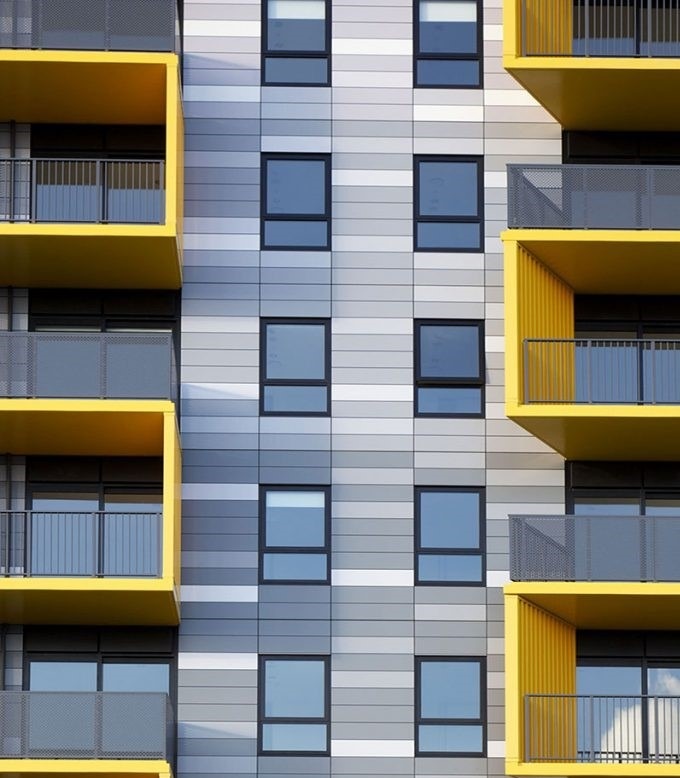
An Aluminum Composite Panel (ACP) is a versatile building material made from two thin layers of aluminum enclosing a non-aluminum core, typically composed of polyethylene or a fire-resistant mineral. This combination offers a lightweight, durable, and aesthetically appealing solution for various applications, including exterior cladding, signage, interior partitions, and false ceilings. Aluminum Composite Panels (ACPs) are favored for their ease of installation, weather resistance, and the ability to be fabricated in various colors and finishes, making them a popular choice in modern architectural design and construction.
ACPs are widely used in construction and architectural projects due to their durability, adaptability, and aesthetic appeal. However, like any building material, they can suffer damage over time from environmental factors, impact, or installation errors. Knowing how to repair ACPs efficiently can save time and money while maintaining the structural integrity and appearance of the building. This guide outlines the steps and techniques for repairing aluminum composite panels.
Common Types of Damage
Before diving into the repair process, it’s important to identify the common types of damage that can affect ACPs:
- Scratches and Abrasions: Surface-level damage often caused by contact with sharp objects.
- Dents and Dings: Impact damage from objects striking the panel.
- Delamination: Separation of the aluminum layers from the core material, often due to moisture infiltration or poor installation.
- Corrosion: Oxidation or chemical damage, typically in environments with high humidity or pollution.
Tools and Materials Needed
To repair ACPs, you’ll need the following tools and materials:
- Safety gear (gloves, goggles)
- Cleaning supplies (mild detergent, water, soft cloth)
- Sandpaper or abrasive pad
- Aluminum putty or filler
- Epoxy resin or adhesive
- Putty knife or spreader
- Primer and paint matching the panel color
- Buffing pad or polishing tool
- Sealant (optional)
Step-by-Step Repair Process
Assess the Damage:
Assessing the damage on an aluminum composite panel involves carefully inspecting the affected area to identify the type and extent of the damage, such as scratches, dents, delamination, or corrosion. This step is crucial for determining the appropriate repair method and materials needed. Look for signs of impact, separation of layers, or surface irregularities. Accurate assessment helps ensure that the repair process effectively restores the panel’s structural integrity and appearance, preventing further deterioration and extending the panel’s lifespan.
Clean the Surface:
Cleaning the surface of an ACP involves using a mild detergent mixed with water and a soft cloth to thoroughly remove dirt, debris, and contaminants from the damaged area. This step is essential to ensure that the repair materials, such as fillers or adhesives, adhere properly to the panel. A clean surface provides a smooth and stable base for subsequent repair steps, helping to achieve a seamless and durable finish. Proper cleaning also prevents any residual substances from interfering with the repair process, ensuring a long-lasting and aesthetically pleasing result.
Sand the Damaged Area:
Sanding the damaged area of an aluminum composite panel involves using fine-grit sandpaper or an abrasive pad to gently smooth out surface imperfections and prepare the area for the application of filler or adhesive. This step is crucial as it helps remove any rough edges, minor scratches, or uneven surfaces, ensuring that the filler adheres properly and creates a uniform base for further repairs. Sanding not only improves the adhesion of repair materials but also enhances the overall finish, making the repaired section blend seamlessly with the surrounding panel. Proper sanding sets the foundation for a successful and long-lasting repair.
Apply Aluminum Filler:
Applying aluminum filler to a damaged ACP involves using a putty knife or spreader to evenly distribute the filler over dents, deep scratches, or gouges in the panel. The filler should be worked into the damaged area thoroughly to ensure it fills all voids and creates a smooth, even surface. Once applied, the filler needs to cure according to the manufacturer’s instructions, typically allowing sufficient time for it to harden completely. Proper application of the aluminum filler is crucial for restoring the panel’s structural integrity and preparing it for sanding, priming, and painting, ensuring a durable and seamless repair.
Sand and Smooth:
Sanding and smoothing the aluminum filler on a damaged aluminum composite panel involves using fine-grit sandpaper to gently sand the cured filler until it is flush with the panel’s surface. This step is essential for eliminating any excess filler, bumps, or irregularities, ensuring a smooth and even finish. By meticulously sanding the area, you create a seamless transition between the repaired section and the surrounding panel, which is crucial for achieving an aesthetically pleasing result. Proper sanding also prepares the surface for priming and painting, enhancing the adhesion and durability of the final finish.
Apply Primer:
Applying primer to a repaired aluminum composite panel involves evenly coating the sanded and smoothed area with a primer that is compatible with aluminum surfaces. This step is vital as it enhances the adhesion of the paint, ensuring a uniform and durable finish. The primer acts as a preparatory layer that seals the filler, prevents oxidation, and provides a consistent base color for the subsequent paint application. Applying multiple thin coats of primer, allowing each to dry thoroughly, ensures optimal coverage and smoothness, setting the stage for a professional-looking paint job that blends seamlessly with the rest of the panel..
Paint the Repaired Area:
Painting the repaired area of an ACP involves carefully selecting a paint that matches the original color and finish of the panel. Begin by applying multiple thin coats of paint, allowing each coat to dry completely before applying the next. This method ensures even coverage and prevents drips or streaks. Using a high-quality paintbrush, roller, or spray gun can help achieve a smooth, professional finish. It’s important to paint slightly beyond the repaired area to blend the new paint with the existing panel seamlessly, creating an indistinguishable transition.
After the final coat of paint has dried thoroughly, inspect the surface for any inconsistencies or imperfections. If necessary, lightly sand the area with very fine-grit sandpaper and apply an additional coat of paint to perfect the finish. This careful attention to detail ensures that the repaired section looks cohesive with the rest of the panel, maintaining its aesthetic appeal. Proper painting not only restores the panel’s appearance but also provides a protective layer that helps prevent future damage and extends the panel’s lifespan.
Buff and Polish:
Buffing and polishing an aluminum composite panel after repair involves using a buffing pad or polishing compound to refine the surface and achieve a smooth, glossy finish. This step is essential for blending the repaired area seamlessly with the rest of the panel, ensuring uniformity in appearance. Begin by gently buffing the repaired section in circular motions, gradually increasing pressure as needed to smooth out any imperfections left from the repair process. Use a clean buffing pad or cloth to remove excess polish and achieve a consistent shine across the entire panel.
After buffing, polishing further enhances the panel’s aesthetic appeal by refining the surface to a high gloss. Apply a suitable polishing compound using a soft cloth or polishing tool, working in small sections to ensure even coverage. Continue buffing until the repaired area matches the original panel finish in sheen and texture. This final step not only improves the visual quality of the repair but also contributes to the panel’s overall durability and resistance to environmental factors. Regular maintenance, including periodic polishing, can help preserve the appearance and extend the lifespan of the aluminum composite panel..
Seal the Panel:
(Optional) Sealing the panel after repair involves applying a protective sealant over the buffed and polished surface of the aluminum composite panel. This step helps to enhance the durability of the repair by providing an additional layer of protection against moisture, UV rays, and other environmental elements. Choose a sealant that is compatible with aluminum and recommended for exterior use if the panel is located outdoors. Apply the sealant evenly using a brush or applicator, ensuring complete coverage over the repaired area and slightly beyond to ensure a watertight seal. Allow the sealant to dry completely according to the manufacturer’s instructions before exposing the panel to any elements.
Regularly inspect the sealed area for signs of wear or damage, and reapply the sealant as needed to maintain optimal protection. Proper sealing not only prolongs the lifespan of the repaired aluminum composite panel but also helps to preserve its appearance and structural integrity over time.
Preventive Maintenance Tips
To minimize future damage and prolong the lifespan of your ACPs, consider the following maintenance tips:
- Regularly clean the panels to remove dirt, pollutants, and debris.
- Inspect the panels periodically for signs of damage or wear.
- Address minor damages promptly before they escalate into more significant issues.
- Use protective coatings or sealants in harsh environments to prevent corrosion and weather-related damage.
Conclusion
Repairing aluminum composite panels can be a straightforward process if approached with the right tools and techniques. By following the steps outlined in this guide, you can effectively restore the appearance and functionality of your ACPs, ensuring they continue to enhance the aesthetic and structural integrity of your building. Regular maintenance and prompt repairs are key to maximizing the lifespan of your aluminum composite panels.
