

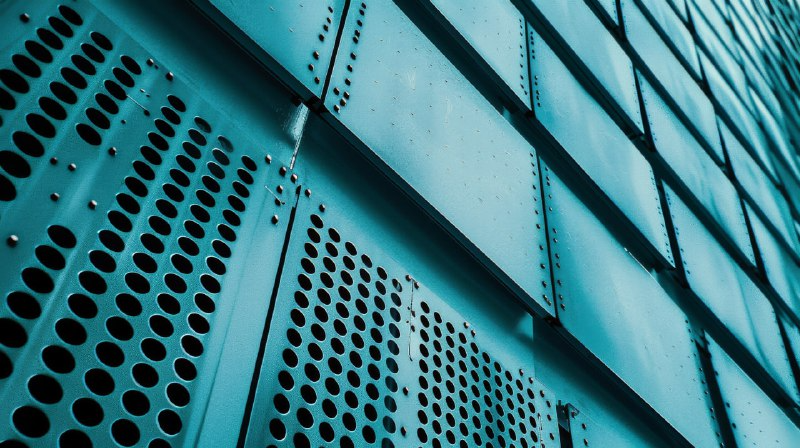
In the realm of modern construction and architectural design, exterior metal cladding has emerged as a key material, offering both aesthetic appeal and robust protection against harsh environmental elements. With advancements in materials, design techniques, and sustainability concerns, the future of exterior metal cladding is evolving rapidly. This article explores the latest innovations, trends, and sustainability practices shaping the future of exterior metal cladding, discussing how the industry is responding to demands for durability, efficiency, and environmental responsibility.
1. The Evolution of Exterior Metal Cladding
Traditionally, exterior metal cladding was chosen mainly for its durability and ability to protect buildings against the elements. Over time, architects and builders recognized the design potential of metals like aluminum, steel, copper, and zinc. Today, metal cladding offers more than just durability; it provides versatility, energy efficiency, and an increasingly eco-friendly solution for contemporary construction. As construction demands evolve, so too does the technology behind metal cladding, positioning it as a long-term, sustainable solution for the future.
2. Innovative Materials and Coatings
2.1 Aluminum and its Alloys Aluminum has become one of the most popular choices for exterior cladding, and recent advancements in alloy technology have made it even more durable, lighter, and more corrosion-resistant. Alloys allow aluminum cladding to retain its strength while adding flexibility, enabling intricate designs that are increasingly popular in modern architecture. Additionally, aluminum is highly recyclable, aligning well with sustainability goals.
2.2 Corten Steel for a Rustic Finish Corten steel, also known as weathering steel, has been gaining popularity for its ability to form a protective layer of rust that improves its resistance to atmospheric corrosion. The rusted appearance adds an organic, rustic finish that blends well with natural landscapes, making it a favorite choice for both residential and commercial projects.
2.3 Titanium and Zinc for Durability Titanium and zinc have also seen a rise in usage due to their durability and resistance to corrosion. Titanium, though more expensive, is ultra-lightweight and exceptionally durable, making it suitable for challenging environments. Zinc cladding, meanwhile, is known for its self-healing properties; it can repair itself from minor scratches and imperfections over time, maintaining its appearance and strength for decades.
2.4 Advanced Coatings and Surface Treatments The development of high-performance coatings has significantly enhanced the durability and aesthetic options of metal cladding. For example, PVDF (Polyvinylidene Fluoride) coatings offer superior UV resistance, preventing color fading. Nano-coatings are also becoming popular, providing self-cleaning properties that reduce maintenance requirements and enhance longevity.
3. Sustainability and Energy Efficiency
3.1 Life Cycle Assessments and Recyclability One of the key factors driving the popularity of metal cladding is its sustainability. Metals like aluminum and steel can be recycled multiple times without losing their structural integrity. Manufacturers are now focusing on lifecycle assessments, which consider the environmental impact of a product from raw material extraction through to end-of-life recycling. This approach allows builders to choose materials with the lowest environmental impact.
3.2 Solar Reflectivity and Energy Savings Metal cladding can reflect a significant amount of solar energy, helping to reduce the heat absorbed by buildings and lowering the demand for air conditioning in hot climates. This solar reflectivity contributes to energy savings and reduces a building’s carbon footprint. In response, architects are exploring high-reflectivity coatings and finishes that further increase energy efficiency.
3.3 Green Building Certifications and Standards With the rise of green building certifications, including LEED (Leadership in Energy and Environmental Design) and BREEAM (Building Research Establishment Environmental Assessment Method), metal cladding products are increasingly designed to meet stringent environmental standards. These certifications often require materials to be locally sourced, recyclable, and energy-efficient, incentivizing manufacturers to improve their offerings.
4. Design Flexibility and Aesthetics
4.1 Customizable Finishes and Textures Today’s metal cladding comes in a variety of finishes, textures, and patterns, giving architects immense freedom to bring unique visions to life. Brushed, polished, or matte finishes add different visual effects, while modern 3D printing techniques allow intricate patterns and textures that would have been difficult to achieve in the past.
4.2 Curved and Multi-Dimensional Designs Advancements in fabrication techniques have made it easier to create curved and multi-dimensional metal panels. These design capabilities allow architects to design facades that play with light and shadow, create interesting visual contrasts, or mimic natural forms.
4.3 Color Customization and Gradient Effects Unlike traditional metal cladding, which often came in limited colors, new technologies now allow metal cladding to be produced in a range of colors, including gradient effects. This trend is particularly popular for contemporary and avant-garde projects where unique aesthetics are a priority.
5. Smart Technologies and Integration
5.1 Smart Materials and Sensors One exciting trend in the future of exterior metal cladding is the integration of smart materials and sensors. With building technology advancing, metal cladding can be outfitted with sensors that monitor temperature, air quality, and even structural integrity. These sensors provide real-time data, helping to improve building maintenance and operational efficiency.
5.2 Solar-Powered Metal Cladding Another innovation gaining attention is the integration of photovoltaic cells directly into metal cladding panels. Solar-powered metal cladding can generate electricity while also protecting the building from external elements. This dual-purpose approach aligns with the growing interest in net-zero energy buildings, where structures generate as much energy as they consume.
5.3 Interactive Lighting and Media Facades For commercial and entertainment buildings, media facades and LED-integrated cladding are becoming popular. By embedding LED lights into metal panels, buildings can display digital content, colors, or patterns, creating an interactive facade. This feature is not only visually striking but also allows for dynamic changes to the building’s appearance.
6. Durability and Low-Maintenance Design
6.1 Self-Cleaning and Anti-Graffiti Coatings New coatings can help metal cladding to self-clean, with rainwater washing away dirt and pollutants. This property is particularly beneficial for tall buildings where cleaning can be challenging and costly. Anti-graffiti coatings are also available, allowing buildings in urban areas to maintain their appearance with minimal maintenance.
6.2 Corrosion-Resistant Alloys and Finishes As exterior metal cladding faces constant exposure to weather elements, especially in coastal or industrial areas, corrosion-resistant alloys are in high demand. Alloys that are specifically designed to resist saltwater or pollution corrosion can significantly extend the lifespan of cladding, reducing the need for replacements or repairs.
7. Cost Considerations and Market Outlook
7.1 The Role of Mass Production and Prefabrication With the growing demand for metal cladding, mass production and prefabrication have become more feasible, reducing production costs and lead times. Prefabricated metal cladding panels are pre-manufactured to precise specifications and then assembled on-site, reducing waste and labor costs.
7.2 Economic Benefits and Long-Term Savings Although the initial cost of metal cladding can be higher than some traditional materials, it offers long-term savings due to its durability, low maintenance, and energy-efficient properties. For commercial buildings, these savings, along with the potential to enhance a building’s value, make metal cladding a financially viable choice.
7.3 Rising Demand in Emerging Markets As urbanization increases, particularly in emerging markets across Asia and Africa, there is a rising demand for durable, efficient, and aesthetically appealing building materials. Metal cladding, with its combination of strength, flexibility, and low maintenance, is well-positioned to meet the needs of these growing markets.
8. Challenges and Considerations
8.1 Environmental Concerns and Raw Material Sourcing While metal cladding is sustainable in terms of recyclability, the extraction and processing of metals can have a significant environmental impact. Mining and metal production are resource-intensive processes that can contribute to pollution and habitat destruction. This issue has pushed manufacturers to invest in greener practices, such as using recycled metals and reducing energy consumption in production.
8.2 Fire Safety Regulations As metal cladding often plays a key role in building exteriors, it must meet strict fire safety standards. Fire-resistant treatments and coatings are increasingly being used to enhance the safety of metal cladding, but there is a continuous need for research and regulation to ensure that buildings meet the highest safety standards.
9. The Future of Exterior Metal Cladding: A Look Ahead
The future of exterior metal cladding is defined by a blend of technological advancements, sustainability, and aesthetic innovation. From solar-powered panels to eco-friendly materials and designs that merge form and function, metal cladding is poised to be a fundamental part of future architecture. Its ability to adapt to various styles, environments, and technological requirements makes it one of the most versatile building materials available.
With an increasing focus on green building practices, metal cladding’s sustainability credentials are set to become more critical. Innovations such as solar-integrated panels and self-cleaning surfaces showcase the potential of metal cladding to not only protect buildings but actively contribute to energy efficiency and reduced environmental impact. Furthermore, as smart buildings become more common, metal cladding with embedded sensors and smart functionalities will play a role in improving building performance and occupant comfort.
Conclusion
Exterior metal cladding has evolved from a utilitarian solution to a versatile, sustainable, and stylish option for modern architecture. With advancements in materials, coatings, and integration with smart technologies, metal cladding is more than just a protective layer; it is an integral part of sustainable and energy-efficient design. The future holds exciting possibilities for exterior metal cladding, as architects and builders continue to push boundaries, redefining what is possible in terms of aesthetics, performance, and environmental impact.
As the construction industry strives to meet the demands of an eco-conscious and design-driven world, exterior metal cladding will undoubtedly play a crucial role, standing as a testament to both innovation and the enduring appeal of metallic architecture.
