

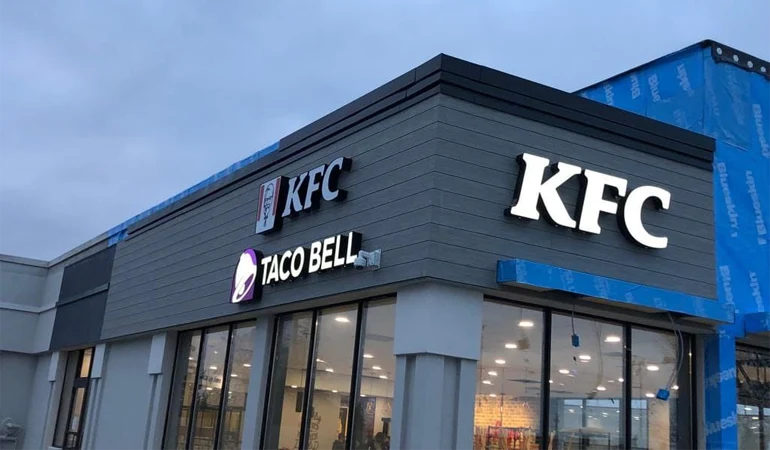
A shopper decides whether to walk into a retail store within seconds of seeing its exterior. For commercial property owners and retailers across the Greater Toronto Area, that first impression is often shaped less by the products inside than by the materials wrapping the building outside. Storefront cladding has become one of the most effective tools for turning a plain retail box into a recognizable, on-brand destination that pulls foot traffic off the sidewalk.
Why Storefront Cladding Matters for Retail
Unlike office towers or industrial buildings, retail storefronts live or die by visibility and appeal. Cladding does more than protect the structure — it functions as a marketing asset that works around the clock.
A well-designed storefront exterior:
- Signals brand identity through colour, texture, and material choice before a customer ever reads a sign
- Differentiates a location from neighbouring units in a plaza or strip mall
- Reinforces perceived quality, which shoppers often associate with product and service quality
- Supports consistent branding across multiple locations for retail chains
Property owners investing in re-cladding a retail space are also protecting long-term asset value, since a dated or damaged facade can suppress lease rates and tenant interest.
Materials That Work Best for Retail Storefronts
Not every cladding material suits a high-visibility retail application the same way. The best choices balance visual impact with durability against constant foot traffic, weather exposure, and street-level wear.
Aluminum Composite Material (ACM) panels offer a wide colour and finish range, sharp clean lines, and lightweight installation — ideal for bold storefront statements and modern brand refreshes. High-Pressure Laminate (HPL) panels bring warmth through wood-look finishes while resisting moisture and impact better than real wood. Natural metal panel systems suit retailers aiming for an industrial or premium aesthetic, while aluminum and PVC siding remain a cost-effective option for strip-mall storefronts needing a quick, durable refresh.
Choosing between these often comes down to brand tone, budget, and how the material will read from the street and parking lot — considerations best worked through with a cladding consultant early in the design process.
Curb Appeal Elements That Drive Foot Traffic
Beyond material selection, several design choices consistently move the needle on retail curb appeal:
- Colour contrast and accent panels to make a storefront pop against neighbouring units
- Clean sightlines around entrances and signage zones so branding stays legible from the road
- Texture variation, mixing smooth and dimensional panels to add depth without visual clutter
- Consistent material language across multiple locations to strengthen chain-wide brand recognition
- Lighting-compatible cladding that highlights the facade after dark, when much retail foot traffic occurs
Retailers refreshing an existing storefront rather than building new should also weigh whether a full re-clad or a targeted repair delivers the better return, since a partial upgrade sometimes achieves the same visual lift at a lower cost.
Brand Identity Through Cladding Design
Cladding is one of the few building elements a retailer fully controls at street level, making it a direct extension of brand identity. National and regional chains increasingly treat facade material and colour as part of their brand standards, on par with signage and interior fixtures.
A few ways retailers use cladding strategically:
- Matching cladding colour to a logo or brand palette for instant recognition
- Using premium materials like natural metal panels at flagship locations to signal quality
- Standardizing panel systems across a portfolio to simplify future maintenance and replacement
- Combining cladding profiles creatively to break up long, monotonous storefront runs
For property owners with multiple retail tenants, offering a cladding-ready shell with flexible mounting systems can also make units more attractive to prospective brands during leasing.
Working With the Right Cladding Partner
Retail storefront projects typically move fast, since every week of construction is a week without revenue. Working with a cladding company that manages consultation, design, supply, fabrication, and installation under one roof helps keep timelines tight and avoids the coordination gaps that come with juggling multiple subcontractors.
Toronto property owners upgrading a storefront should also check their eligibility for the City of Toronto’s Commercial Façade Improvement Grant Program, which helps fund exterior redesigns and restorations for commercial buildings. Combining this kind of incentive with a well-planned cladding upgrade can meaningfully offset project costs.
Final Thoughts
Retail storefront cladding is no longer just a maintenance decision — it is a brand and revenue decision. The right material, colour, and design approach can turn a storefront into a customer magnet, while a dated facade quietly costs a retailer foot traffic every single day. For GTA property owners and retailers planning a refresh, an experienced cladding partner can help translate brand goals into a facade that performs on the street and holds up over time.
BuildSky supports retail and commercial property owners across the GTA with full-service cladding solutions, from initial design through supply and installation. Explore ACM panel options or request a quote to start planning a storefront refresh, or contact BuildSky directly at (647) 818-4683.
