

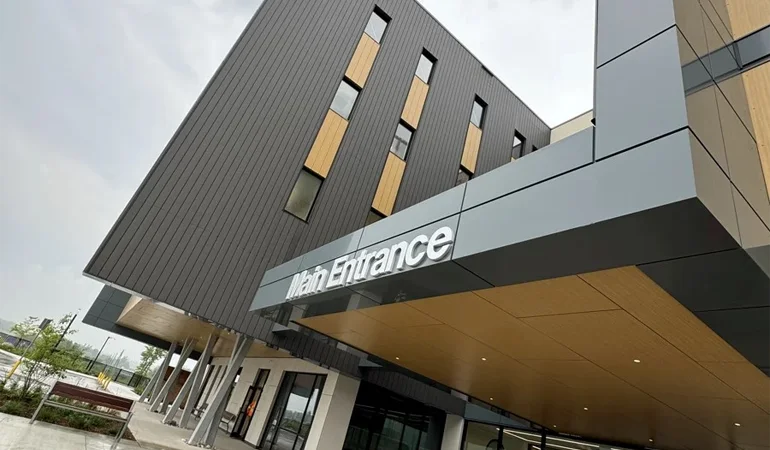
In today’s competitive construction landscape, the exterior of a commercial building does much more than define its visual identity — it protects the structure, enhances performance, and plays a significant role in energy efficiency and long-term maintenance. At BuildSky, we understand that choosing the right wall panel or cladding system is one of the most important decisions for architects, builders, developers, and property owners alike.
Commercial wall panels and cladding systems have evolved tremendously over the past decade, offering a wide range of materials, design options, and functional advantages. Whether you are planning a new build, renovation, or exterior upgrade, this comprehensive guide will walk you through material choices, performance considerations, design trends, installation requirements, and how these systems protect and elevate commercial properties.
What Is Commercial Wall Cladding?
Commercial cladding — often referred to as exterior wall panels, wall systems, or commercial siding — is the outermost layer of a building’s facade that shields the structural frame from weather, moisture, UV exposure, and environmental pollutants. It also contributes to a building’s thermal performance and architectural style. While “cladding” is the broad term for any exterior covering, commercial “wall panels” generally refer to large format panels engineered for performance and aesthetics.
Unlike traditional siding, which may consist of smaller linear boards, commercial wall panels are often custom fabricated for each project, providing a seamless, sleek look that complements modern building design. Behind the façade, proper insulation and ventilated assembly enhance the building envelope’s performance, lowering heating and cooling costs and improving occupant comfort.
Why Commercial Cladding Matters
Exterior cladding is more than just decoration — it contributes to the building’s functionality and sustainability:
- Protection from the Elements: Cladding creates a barrier against wind, rain, snow, and UV radiation, preventing moisture intrusion that can lead to mold, rot, and structural damage.
- Energy Efficiency: When properly installed with continuous insulation and rainscreen systems, wall cladding reduces thermal bridging, resulting in lower energy consumption for HVAC systems.
- Durability and Performance: Commercial façade systems are engineered for long-term resilience, helping reduce replacement and maintenance costs over decades.
- Aesthetic Appeal: A modern, well-designed exterior can elevate the identity of a commercial property, attract tenants, and increase property value.
Common Commercial Cladding Materials
There is no one-size-fits-all material in exterior wall systems. Each material offers a unique set of advantages and considerations depending on performance requirements, design goals, budget, and local climate. Here are the most popular options in commercial construction today:
Aluminum Composite Panels (ACP)
Aluminum Composite Panels are one of the most widely used cladding materials for commercial projects due to their balance of durability, aesthetics, and performance. These panels consist of two aluminum skins bonded to a core, creating lightweight but rigid panels that are easy to install and manipulate into custom shapes and sizes.
Their smooth finish supports bold architectural designs and they are available in a wide spectrum of colors and textures. With fire-retardant cores, ACP can also meet strict safety and building-code requirements for high-rise and institutional buildings.
Wood Polymer Composite (WPC)
Wood Polymer Composite mimics the appearance of natural wood while eliminating many of its drawbacks. By combining wood fibers with polymers, WPC delivers aesthetic warmth with resistance to moisture, rot, and pests. It is especially popular in commercial facades where a natural aesthetic is part of the design language.
This material requires far less maintenance than traditional wood siding and holds up well in weather-exposed applications, giving designers flexibility without sacrificing performance.
Fiber Cement
Fiber cement panels are prized for their durability, fire resistance, and versatility. Made from a blend of cement, sand, and cellulose fibers, this material resists warping, cracking, and insect damage. With a range of textures from smooth to deeply embossed finishes, fiber cement delivers both performance and design adaptability.
It also performs well in high-traffic commercial zones where fire resistance and long-term stability are priorities.
High Pressure Laminate (HPL)
HPL panels are engineered composites known for extreme weather resistance and design variety. They are available in vibrant colors, patterns, and custom printed finishes, making HPL an excellent choice for branded commercial exteriors or buildings with bold architectural concepts.
These panels are robust and provide excellent protection against water and UV damage while preserving a striking appearance.
Metal Mesh and Specialty Materials
Metal mesh systems act as premium facade elements — adding texture, shadow play, and visual drama to a building’s exterior. Made from woven or perforated metal, they deliver both artistic flair and functional shading.
Other specialty materials like textured steel, stone veneers, and natural stone cladding can be specified for custom commercial facades, depending on the budget and architectural direction.
Selecting the Right Cladding Material
Choosing the best wall panel or cladding material for a commercial project depends on several key factors:
Building Code and Fire Safety
In many regions, commercial exteriors must comply with stringent fire safety standards. Materials with non-combustible cores or fire-rated assemblies, such as certain ACM panels, fiber cement boards, and metal cladding, are often required for high-rise and institutional structures.
Climate and Durability Requirements
Local climate plays a crucial role in material selection. In areas with extreme cold, moisture, or UV exposure, materials that resist freeze-thaw cycles and thermal expansion perform better long term. Aluminum panels, fiber cement, and premium composites are designed to withstand harsh conditions better than low-cost alternatives like vinyl.
Aesthetic and Branding Goals
Architectural vision and brand identity often influence cladding choice. Sleek ACM panels are favored for modern corporate buildings, while wood composites or HPL lend themselves to creative, statement facades. Mixed-material designs using combinations of metal, composite, and textured surfaces can also elevate the finished look.
Design Trends in Commercial Cladding
The commercial cladding market continues evolving with trends that reflect both performance and creativity:
- Sustainability Focus: Increasing demand for eco-friendly solutions has expanded the use of recycled aluminum and bio-composite materials. Designers and developers are prioritizing products that reduce environmental impact and contribute to green building certifications.
- Large-Format Panels: Minimalist facades with large, uninterrupted panels are trending, offering cleaner lines and fewer visible joints.
- Smart Facade Systems: Emerging technologies are making cladding systems “smarter,” with embedded sensors that monitor moisture, temperature, and structural performance, supporting predictive maintenance.
- Material Mixing: Combining warm wood tones with cool metals or vibrant laminates helps create visually dynamic exteriors while balancing performance needs.
How BuildSky Can Help
Choosing the right commercial wall panel or cladding system is a critical decision that impacts performance, aesthetics, and building longevity. By understanding material options, performance factors, design trends, and installation best practices, property owners and builders can make informed decisions that enhance both functionality and visual appeal.
At BuildSky, we help guide our clients through material selection, design planning, and professional installation to ensure superior exterior performance for commercial properties. Whether your project requires modern composite panels or durable metal solutions, the right cladding system protects your investment today and for decades to come.
