

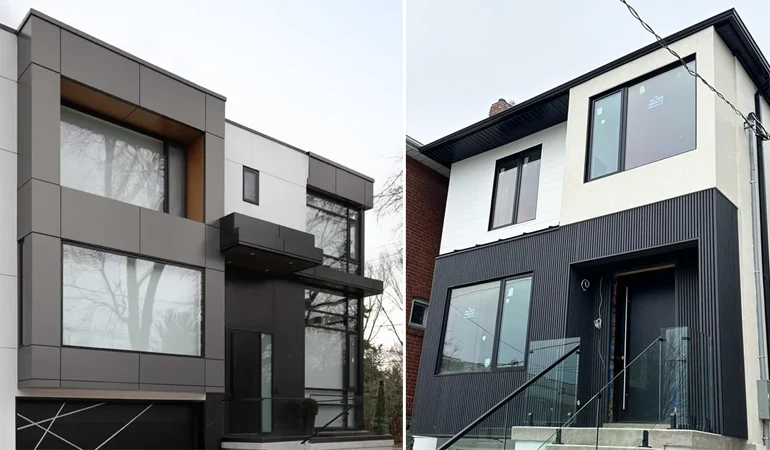
When planning an exterior upgrade or building a new home, one of the most important decisions homeowners face is selecting the right exterior material. Two terms that often appear in discussions about exterior construction are cladding and siding. While these words are sometimes used interchangeably, they actually refer to slightly different concepts in building design and construction.
Understanding the differences between cladding and siding can help homeowners choose the most suitable option for durability, aesthetics, energy efficiency, and long-term value. In Canada, where buildings must withstand diverse weather conditions—from heavy snow and rain to strong winds and temperature fluctuations—choosing the right exterior material becomes even more critical.
In this guide, we’ll explore what cladding and siding are, how they differ, their benefits, and how to decide which option is best for your home.
What Is Exterior Cladding?
Exterior cladding refers to the outer layer of material applied to a building’s structure. Its main purpose is to protect the building from environmental elements while also improving the structure’s appearance and insulation performance.
Cladding is typically installed over a structural wall system and acts as a protective skin for the building. It shields the structure from rain, snow, wind, and UV exposure while also contributing to the building’s architectural style.
Cladding systems are often designed with multiple layers that may include:
- Weather barriers
- Insulation materials
- Ventilation gaps
- Exterior finishing panels
These components work together to protect the building envelope and improve thermal efficiency.
Common Cladding Materials in Canada
There are several types of cladding materials commonly used in residential and commercial construction:
- Metal cladding – Often made from aluminum or steel and used for modern architectural designs.
- Fiber cement panels – Durable, low-maintenance panels that mimic wood or stone textures.
- Stone or brick veneer – Decorative cladding that offers a high-end appearance.
- Wood cladding – Natural wood panels that provide warmth and traditional character.
- Composite panels – Engineered materials designed for durability and energy efficiency.
Cladding systems are often chosen for modern homes, commercial buildings, and architectural projects where design flexibility and advanced performance are important.
What Is Siding?
Siding is a type of exterior wall covering that is installed in overlapping sections or panels. It serves as a protective and decorative layer on the outside of a home.
Unlike some cladding systems that may involve multiple layers and structural components, siding typically refers to the visible outer material attached directly to the building’s exterior wall.
Siding is widely used in residential construction throughout Canada due to its practicality, cost-effectiveness, and ease of installation.
Common Siding Materials
Homeowners can choose from several siding materials depending on their budget and style preferences:
- Vinyl siding – One of the most popular options due to affordability and low maintenance.
- Wood siding – Traditional and attractive, but requires regular maintenance.
- Engineered wood siding – Designed to mimic natural wood with improved durability.
- Fiber cement siding – A strong and weather-resistant option that resembles wood or masonry.
- Aluminum siding – Lightweight and resistant to corrosion.
Each material has its own advantages in terms of durability, maintenance requirements, and aesthetic appeal.
Key Differences Between Cladding and Siding
Although cladding and siding share similar purposes—protecting and enhancing a building’s exterior—there are several important differences between them.
1. Terminology and Scope
Cladding is a broader architectural term that refers to the outer layer or system used to cover a building. It can include various materials, design systems, and installation techniques.
Siding, on the other hand, is a specific type of cladding commonly used for residential homes. It typically refers to horizontal panels installed along the exterior wall.
In simple terms, siding can be considered a type of cladding, but not all cladding is siding.
2. Design and Architectural Style
Cladding systems often provide greater design flexibility. They can incorporate large panels, mixed materials, and modern architectural patterns.
Siding usually follows a more traditional installation style with horizontal or vertical panels. While it offers a variety of colours and textures, it generally maintains a more conventional residential appearance.
3. Installation Complexity
Cladding systems can involve multiple layers, specialized framing systems, and ventilation gaps. Because of this, cladding installations often require experienced contractors and careful planning.
Siding installation is usually more straightforward. Panels are attached to the exterior wall with fasteners and overlapping joints that allow water to drain away.
This simpler installation process is one reason siding is often more affordable.
4. Cost Considerations
Cost is a significant factor when choosing exterior materials.
Cladding systems often involve:
- Higher material costs
- More complex installation
- Additional structural components
Siding options such as vinyl are typically more budget-friendly and quicker to install.
However, higher-end siding materials like fiber cement can approach the cost of certain cladding systems while offering improved durability.
5. Durability and Weather Protection
Both cladding and siding are designed to protect buildings from weather, but their performance may vary depending on materials and installation.
Cladding systems often incorporate ventilation and drainage layers that help manage moisture and improve long-term durability.
Siding also provides strong protection against the elements, especially when installed with proper insulation and moisture barriers.
In Canada’s climate, proper installation and maintenance are essential for both options.
Benefits of Exterior Cladding
Cladding offers several advantages for modern construction projects.
Enhanced Architectural Design
Cladding allows architects and homeowners to experiment with unique designs, textures, and materials that create visually striking buildings.
Improved Energy Efficiency
Many cladding systems include insulation layers and ventilation gaps that help regulate indoor temperatures and reduce energy consumption.
Strong Weather Protection
Properly installed cladding systems can protect the building envelope from moisture penetration, wind damage, and temperature fluctuations.
Long-Term Durability
Many cladding materials are designed to withstand decades of exposure with minimal maintenance.
Benefits of Siding
Siding remains one of the most practical choices for residential homes.
Affordability
Siding is generally more cost-effective than complex cladding systems, making it accessible for many homeowners.
Easy Installation
Because siding panels are lightweight and designed for quick installation, renovation projects can often be completed faster.
Low Maintenance Options
Materials like vinyl siding require minimal upkeep and do not need frequent painting or sealing.
Wide Variety of Styles
Homeowners can choose from many colours, textures, and profiles to match their home’s design.
Factors to Consider When Choosing Between Cladding and Siding
Choosing the right exterior material depends on several factors.
Budget
Your renovation or construction budget will play a major role in determining which option is realistic for your project.
Architectural Style
Modern homes may benefit from cladding systems that support contemporary designs, while traditional homes often pair well with siding.
Maintenance Preferences
Some materials require regular maintenance, while others offer long-term durability with minimal upkeep.
Climate Considerations
Canadian weather conditions require materials that can handle temperature changes, moisture, and strong winds.
Energy Efficiency Goals
If energy efficiency is a priority, certain cladding systems may offer additional insulation benefits.
Professional Installation Matters
Regardless of which material you choose, professional installation is critical to achieving the best results. Improperly installed siding or cladding can lead to problems such as moisture infiltration, structural damage, and reduced energy efficiency.
Experienced contractors ensure that:
- Proper moisture barriers are installed
- Ventilation and drainage systems function correctly
- Materials are secured safely and evenly
- The exterior finish meets building code standards
Working with skilled professionals helps protect your investment and ensures that your exterior system performs as intended.
Enhance Your Property with the Right Exterior Solution
Both cladding and siding offer valuable benefits for homeowners looking to improve their property’s appearance, protection, and energy performance. The best choice ultimately depends on your design goals, budget, and long-term maintenance expectations.
Whether you are upgrading your current home or planning a new construction project, understanding the differences between these exterior systems allows you to make an informed decision that supports both durability and aesthetics.
Upgrade Your Exterior with BuildSky
Choosing the right exterior material is a major step in enhancing your property’s value and performance. At BuildSky, our team provides expert guidance and professional installation services for exterior upgrades, including siding and cladding solutions tailored to Canadian homes.
If you are considering an exterior renovation or want to explore modern building materials that improve both protection and design, BuildSky can help you plan and execute your project with precision and expertise.
