

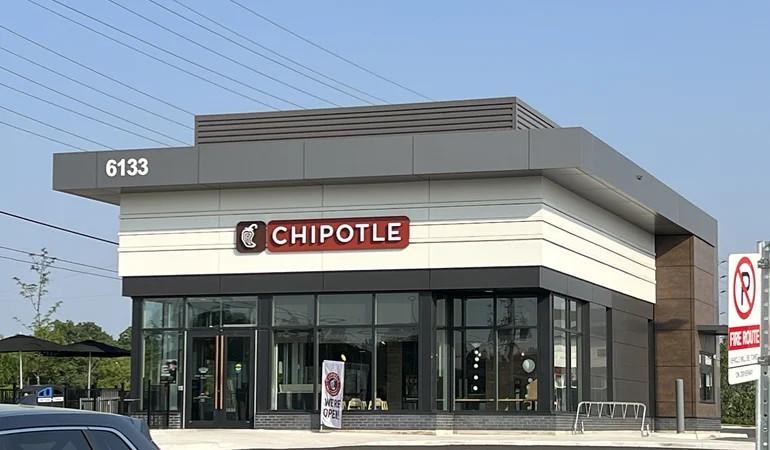
As sustainability becomes a central focus in modern construction, commercial building owners, architects, and developers are placing greater emphasis on environmentally responsible design decisions. One of the most influential yet often overlooked elements of a building’s exterior is cladding. Beyond aesthetics and weather protection, cladding systems play a critical role in energy efficiency, resource consumption, and long-term environmental performance.
In commercial construction, cladding materials and installation methods can significantly affect a building’s carbon footprint, durability, and operational efficiency. Understanding the environmental impact of cladding helps project stakeholders make informed decisions that align with sustainability goals while maintaining performance and design standards.
The Role of Cladding in Commercial Buildings
Cladding serves as the protective outer layer of a building, shielding the structure from weather, moisture, temperature fluctuations, and environmental stress. In commercial construction, cladding systems also influence thermal insulation, fire performance, acoustic control, and overall building lifespan.
From an environmental standpoint, cladding affects both the embodied impact of construction materials and the ongoing operational efficiency of a building. The materials chosen, how they are manufactured, and how long they last all contribute to sustainability outcomes.
Embodied Carbon and Material Production
One of the primary environmental considerations of cladding is embodied carbon—the total greenhouse gas emissions generated during the extraction, manufacturing, transportation, and installation of materials. Some cladding materials require intensive energy use during production, which can increase a project’s overall carbon footprint.
Materials that involve high-temperature processing or complex chemical treatments often carry higher embodied emissions. In contrast, materials that are locally sourced, minimally processed, or recycled typically have a lower environmental impact. Evaluating embodied carbon early in the design phase allows commercial projects to reduce emissions before construction even begins.
Energy Efficiency and Building Performance
Commercial cladding systems play a major role in regulating indoor temperatures and reducing energy demand. Well-designed cladding improves insulation, limits thermal bridging, and supports airtight construction, all of which reduce heating and cooling requirements.
Energy-efficient cladding helps commercial buildings consume less energy over time, lowering emissions associated with daily operations. This long-term impact often outweighs the initial environmental cost of materials, making performance-driven cladding systems a key factor in sustainable construction.
Durability and Service Life
Longevity is a critical sustainability factor. Cladding materials that deteriorate quickly require frequent repairs or replacement, increasing material waste and environmental strain. Durable cladding systems reduce the need for repeated manufacturing, transportation, and installation cycles.
In commercial applications, long-lasting cladding supports lifecycle sustainability by minimizing waste and maintenance demands. Materials that resist moisture, UV exposure, corrosion, and temperature extremes contribute to a more resilient building envelope.
Maintenance and Environmental Impact
Ongoing maintenance requirements also affect sustainability. Some cladding materials demand regular treatments, coatings, or chemical cleaners, which can introduce pollutants into the environment over time.
Low-maintenance cladding options reduce the need for harsh cleaning agents and repeated surface treatments. This not only lowers environmental impact but also reduces long-term operational costs for commercial property owners.
Waste Generation and End-of-Life Considerations
Construction and demolition waste remains a major environmental challenge. Cladding systems that generate excessive waste during installation or are difficult to recycle at the end of their life contribute to landfill overflow.
Sustainable cladding strategies prioritize materials that can be reused, recycled, or responsibly disposed of. Modular systems and materials designed for disassembly allow components to be repurposed rather than discarded, supporting circular construction practices.
The Importance of Responsible Material Sourcing
Where materials come from matters. Responsibly sourced cladding materials reduce environmental harm associated with deforestation, habitat loss, and resource depletion. Manufacturers that follow ethical sourcing practices and environmental standards contribute to healthier ecosystems and more sustainable supply chains.
For commercial projects, choosing cladding suppliers committed to environmental responsibility supports broader sustainability goals and aligns with green building standards.
Climate Adaptability and Environmental Resilience
As climate conditions become more unpredictable, cladding systems must withstand increased exposure to extreme weather events. Materials that perform well under fluctuating temperatures, heavy rainfall, and strong winds enhance building resilience.
Environmentally responsible cladding systems help protect commercial structures while reducing the need for emergency repairs and premature replacements. This resilience supports long-term sustainability and operational stability.
Indoor Environmental Quality
Cladding does not only affect the exterior environment—it also influences indoor air quality and occupant comfort. Materials that emit low levels of volatile compounds contribute to healthier indoor spaces, particularly in commercial environments where people spend extended periods.
Sustainable cladding solutions help maintain balanced indoor conditions by regulating moisture and temperature while minimizing harmful emissions.
Balancing Aesthetics and Sustainability
Modern commercial architecture demands visual appeal alongside environmental responsibility. Fortunately, sustainable cladding options are available in a wide range of finishes, textures, and design styles.
By integrating sustainability into the design process, commercial projects can achieve striking exteriors without compromising environmental performance. Thoughtful material selection allows aesthetics and sustainability to work together rather than compete.
Regulatory Standards and Green Building Goals
Environmental regulations and green building certifications continue to shape commercial construction practices. Many projects now aim to meet recognized sustainability benchmarks, which consider material efficiency, energy performance, and environmental impact.
Cladding choices directly influence a building’s ability to meet these standards. Selecting environmentally responsible cladding systems can contribute significantly to achieving sustainability targets and future-proofing commercial developments.
Long-Term Cost and Environmental Value
While sustainable cladding options may require thoughtful planning, they often deliver long-term financial and environmental benefits. Reduced energy consumption, lower maintenance needs, and extended service life translate into operational savings over time.
From an environmental perspective, sustainable cladding reduces resource depletion, emissions, and waste, creating value beyond the building itself. Commercial projects that prioritize sustainability contribute positively to urban environments and future generations.
Making Informed Cladding Decisions
Every commercial construction project has unique requirements, and no single cladding solution fits all scenarios. Evaluating environmental impact alongside performance, durability, and design ensures balanced decision-making.
Collaboration between builders, designers, and material specialists is essential for selecting cladding systems that align with both functional and environmental objectives. Early planning and expert guidance help avoid costly changes later in the project.
The Future of Sustainable Commercial Cladding
As innovation continues, cladding systems are evolving to meet higher environmental standards. Advances in material science, manufacturing efficiency, and system design are driving the development of more sustainable building envelopes.
Commercial construction is moving toward solutions that not only protect buildings but actively contribute to energy efficiency and environmental stewardship. Cladding will continue to play a vital role in shaping greener, more resilient commercial spaces.
Choose Sustainable Cladding Today
The environmental impact of cladding in commercial construction extends far beyond surface appearance. From material production and energy efficiency to durability and end-of-life considerations, cladding decisions influence a building’s sustainability throughout its lifespan.
By prioritizing responsible sourcing, long-term performance, and energy efficiency, commercial projects can significantly reduce their environmental footprint. Thoughtful cladding choices support healthier buildings, lower operating demands, and a more sustainable future for the construction industry.
