

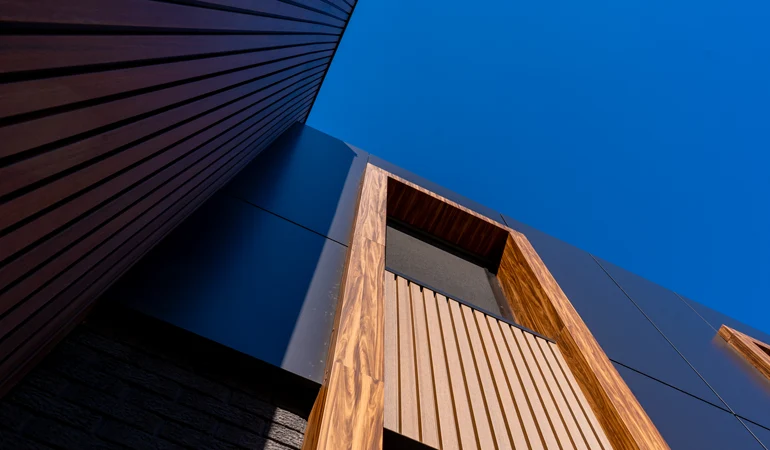
Aluminum Composite Panels (ACPs) have become a preferred exterior cladding solution for modern buildings across Canada. Known for their clean appearance, lightweight structure, and impressive durability, ACP systems are commonly used in commercial, industrial, and high-end residential projects. However, Canada’s challenging climate — marked by harsh winters, freeze-thaw cycles, heavy precipitation, and wide temperature swings — makes proper installation essential for long-term performance.
This guide outlines a comprehensive, step-by-step approach to installing aluminum composite panels with Canadian conditions in mind. From planning and preparation to fastening, sealing, and ongoing care, each stage plays a critical role in ensuring the system performs as intended while maintaining its visual appeal.
Why Aluminum Composite Panels Are Popular in Canada
Aluminum composite panels consist of two aluminum sheets bonded to a core material, creating a rigid yet lightweight cladding product. This construction allows for excellent structural stability without placing unnecessary load on the building.
In Canadian construction, ACPs are valued for several key reasons. They resist corrosion, tolerate temperature fluctuations, and maintain their shape and finish over time. Their design versatility allows architects and builders to achieve modern aesthetics using a wide range of colours, textures, and finishes. ACP systems also integrate well with rainscreen assemblies, improving moisture control and overall building envelope performance.
When installed correctly, aluminum composite panels provide a long-lasting façade solution capable of handling Canada’s demanding weather conditions.
Step 1: Site Survey and Pre-Installation Assessment
Every successful ACP installation begins with a thorough site assessment. Before materials are ordered or installed, the wall assembly must be evaluated to confirm it is suitable for panel installation.
Start by examining the substrate for flatness, strength, and alignment. Irregular or damaged surfaces must be corrected before installation begins. Structural elements should be capable of supporting the cladding system and any associated loads.
Local building codes must also be reviewed at this stage. Fire performance requirements, wind load ratings, and attachment specifications vary by region and must be incorporated into the design. Accurate measurements and panel layout planning help reduce waste, avoid delays, and ensure a smooth installation process.
Step 2: Installing the Weather-Resistant Barrier
A properly installed weather-resistant barrier is essential in Canadian climates. This layer protects the building from moisture infiltration and acts as a secondary line of defence behind the cladding.
The barrier should be installed continuously across the entire wall surface, with careful attention to seams, penetrations, and transitions. All joints must be overlapped and sealed according to manufacturer specifications. Openings such as windows, doors, and vents require detailed flashing and integration to ensure water is directed away from the structure.
A well-installed weather barrier supports drainage, reduces the risk of moisture damage, and contributes to the long-term durability of the ACP system.
Step 3: Installing Support Framing
Aluminum composite panels are mounted to a secondary support structure, typically made of aluminum or galvanized steel framing. This framing system creates a level surface for panel attachment while allowing airflow and drainage behind the panels.
Vertical rails are usually installed first, spaced according to engineering requirements and panel dimensions. Precision is critical at this stage, as any misalignment will be visible in the finished façade. Rails must be plumb, level, and securely fastened to the structure.
In many applications, horizontal supports are added to improve load distribution and panel stability. The framing system should also allow for thermal movement, preventing stress on the panels as temperatures change throughout the year.
Step 4: Panel Preparation
Before installation, panels should be inspected and prepared in a controlled environment. Confirm panel sizes, orientation, and finish consistency. Any cutting, routing, or drilling should be completed using appropriate tools to avoid damaging the aluminum surface.
Mounting holes are typically pre-drilled to allow for expansion and contraction. Panels should be handled carefully to prevent dents, scratches, or edge damage. Protective films should remain in place during handling and be removed only when appropriate to prevent surface contamination.
Allowing panels to acclimate to site conditions before installation can also help minimize thermal stress.
Step 5: Panel Installation Sequence
A consistent installation sequence ensures efficiency and visual uniformity. Installations generally begin at the bottom of the wall and progress upward, using corners and edges as reference points.
Maintaining consistent joint spacing is essential for both aesthetics and performance. Gaps must be uniform to accommodate movement and allow for proper sealing. Installers should regularly check alignment using levels and straightedges to maintain clean lines across the façade.
Larger panels may require mechanical lifting equipment to ensure safe handling and precise placement.
Step 6: Fastening and Securing Panels
Proper fastening is critical to the longevity of an ACP system. Fasteners and attachment methods must be compatible with the panel system and designed to accommodate thermal expansion.
Fasteners should be installed with controlled torque to avoid over-tightening, which can restrict movement and cause panel distortion. Edge distances and fastener spacing must follow system guidelines to ensure even load distribution.
In many systems, a combination of fixed and floating points is used. This approach anchors the panel securely while allowing controlled movement as temperatures fluctuate.
Step 7: Sealing Joints and Weatherproofing
Joint sealing plays a major role in protecting the building from air and water infiltration. Depending on the system design, joints may be open, baffled, or sealed with high-performance sealants.
When sealant is required, joint depth and width must be carefully controlled. Backer rods are often installed to support the sealant and ensure proper adhesion. Sealants must remain flexible in cold temperatures and be compatible with aluminum surfaces.
Properly tooled joints not only improve performance but also contribute to a clean, professional appearance.
Step 8: Special Considerations for Canadian Climates
Canadian weather conditions place unique demands on exterior cladding systems. Temperature swings can be significant, requiring careful planning for expansion and contraction. Snow accumulation, ice buildup, and wind-driven rain must all be accounted for in system design.
Drainage and ventilation behind the panels are particularly important in preventing moisture buildup. Materials used in the assembly should be rated for cold-weather performance and long-term exposure.
Considering these factors during installation helps ensure the ACP system performs reliably through all seasons.
Step 9: Final Inspection and Cleanup
Once installation is complete, a detailed inspection should be conducted. Check panel alignment, joint consistency, fastener placement, and sealant application across the entire façade.
Protective films should be removed, and panels cleaned using non-abrasive methods to remove dust or installation residue. Any deficiencies should be addressed promptly to avoid future issues.
Documenting the installation process and materials used can be valuable for future maintenance and warranty purposes.
Common Installation Pitfalls to Avoid
Even high-quality materials can fail if installed incorrectly. Common issues include improper framing alignment, insufficient expansion allowance, incorrect fastener selection, and poor weather barrier integration.
Avoiding shortcuts and following system-specific guidelines helps prevent costly repairs and ensures long-term performance.
Maintenance and Long-Term Care
Aluminum composite panels require minimal maintenance, but periodic inspections help preserve their appearance and functionality. Annual checks can identify sealant wear, fastener loosening, or surface damage early.
Routine cleaning with mild detergents removes dirt, pollutants, and salt residue that may accumulate in urban or coastal environments. After winter, inspections are especially important to confirm freeze-thaw cycles have not affected joints or attachments.
With proper care, ACP systems can maintain their performance and appearance for decades.
Frequently Asked Questions
Are Aluminum Composite Panels Suitable for Canadian Winters?
Yes, aluminum composite panels are well suited for Canadian winters when installed correctly. Their resistance to corrosion, ability to handle temperature fluctuations, and compatibility with rainscreen systems make them ideal for cold climates.
How Long Do Aluminum Composite Panels Last?
With proper installation and maintenance, ACP systems can last several decades. Regular inspections and timely sealant maintenance help extend their lifespan.
Do Aluminum Composite Panels Require a Rainscreen System?
Most ACP installations benefit from a rainscreen design. A ventilated cavity behind the panels improves drainage, reduces moisture buildup, and enhances overall building envelope performance.
Can ACPs Be Installed on Existing Buildings?
Yes, aluminum composite panels can be installed as part of a retrofit or exterior upgrade, provided the existing structure is suitable and properly prepared.
How Much Maintenance Do ACP Systems Require?
Maintenance requirements are minimal. Periodic cleaning and annual inspections are typically sufficient to keep the system performing and looking its best.
Build With Confidence Using Professional ACP Installation
Installing aluminum composite panels is a precise process that demands expertise, planning, and attention to detail. When each step is executed correctly, ACP systems provide a durable, weather-resistant, and visually striking exterior solution well suited to Canadian conditions.
For property owners and developers, investing in professional installation ensures the system performs as designed while enhancing the building’s long-term value. A well-installed ACP façade not only improves curb appeal but also supports energy efficiency, moisture control, and structural protection.
