

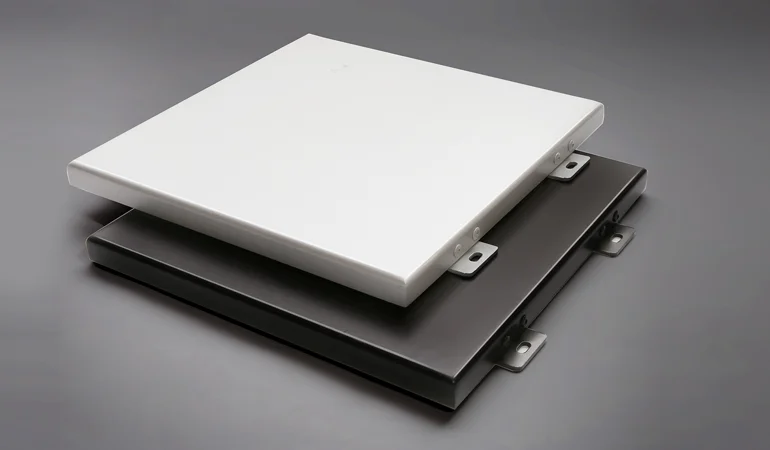
Choosing the colour of your building’s exterior cladding isn’t just a design decision — in Canada, it’s a performance decision. The shade you pick affects how much heat your walls absorb, how long the finish lasts under UV exposure, how well the panels handle freeze-thaw cycles, and even how often you’ll need to clean them. Dark and light tones each bring distinct advantages, and the right choice depends on your climate zone, building type, and long-term maintenance expectations.
This guide breaks down how dark and light cladding colours actually perform on Canadian buildings — from Vancouver’s wet winters to Toronto’s heat waves and northern Ontario’s deep cold — so you can make a decision that looks good and lasts.
How Colour Affects Thermal Performance
Darker cladding absorbs more solar radiation, while lighter cladding reflects it. This isn’t just a theoretical difference — it directly changes the surface temperature of your panels and, over time, the thermal load on the building envelope.
On a sunny summer day in the GTA, a dark-coloured metal panel can easily reach surface temperatures of 70–80°C, while a light-coloured panel next to it may sit closer to 40–50°C. According to Natural Resources Canada, reflective exterior surfaces can meaningfully reduce cooling loads in commercial buildings during peak summer months.
Key thermal considerations:
- Dark colours absorb heat — useful in winter-dominated climates where passive solar gain reduces heating costs
- Light colours reflect heat — better for summer cooling performance and reducing HVAC strain
- Mid-tones (medium greys, bronzes, warm taupes) offer a balanced compromise for mixed climates like southern Ontario
Freeze-Thaw Cycles and Colour Selection
Canada’s freeze-thaw cycles are one of the toughest tests any cladding system faces. When a panel heats up during the day and cools rapidly at night, the expansion and contraction stress the material, fasteners, and sealants.
Darker panels experience larger daily temperature swings because they reach higher peak temperatures in sunlight. This means more thermal movement, which over decades can accelerate wear on joints and sub-girt connections. For a deeper look at how these systems handle the cold, our article on understanding the lifespan of aluminum composite panels in Canadian climates walks through what to expect in real-world Ontario conditions.
That said, modern ACM panels and properly engineered metal cladding installation systems are designed to handle these stresses regardless of colour — as long as expansion allowances and quality fasteners are used.
UV Exposure and Colour Fading
Every exterior finish fades over time, but the rate depends on the coating type and the pigment’s UV stability.
General behaviour in Canadian climates:
- Dark colours (deep blues, blacks, dark reds, rich browns) tend to show fading more visibly because any loss of pigment shifts the tone noticeably
- Light colours (whites, light greys, beiges) hide gradual fading better but show dirt, pollen, and water streaking more obviously
- PVDF (Kynar 500) coatings dramatically slow fade rates for both light and dark tones compared to cheaper polyester coatings
If you’re leaning toward a bold dark shade, invest in high-quality coatings. The piece on ACM coatings and ACP coating types explains the performance differences between coating grades in detail.
Aesthetic Impact and Architectural Trends
Colour shapes how a building is perceived. In the Canadian commercial market, a few clear patterns have emerged:
- Dark cladding (charcoal, matte black, deep bronze) — conveys modern, upscale, and industrial-premium aesthetics; very popular for condos, corporate HQs, and boutique retail
- Light cladding (white, warm grey, champagne) — reads as clean, contemporary, and institutional; common on healthcare, educational, and multi-residential buildings
- Natural wood-tone panels — a growing trend that bridges warmth with modernism, often paired with dark metal accents
For more on what’s trending right now, our breakdown of top exterior cladding design covers the palettes leading commercial projects this year.
Maintenance and Cleaning Considerations
Colour affects how a building looks between cleanings, not just right after them.
What to expect:
- Light panels show dust, bird droppings, and water streaks more visibly and may need more frequent washing, especially at ground level
- Dark panels hide surface dirt well but make pollen, mineral deposits, and efflorescence more noticeable
- Mid-tone panels generally require the least visible maintenance between cleanings
No matter which shade you pick, routine care matters. The essential care tips for maintaining aluminium cladding article covers a full cleaning and inspection routine.
Regional Recommendations Across Canada
Canada isn’t one climate — it’s several. A colour that performs well in Halifax may not be ideal for Calgary or Thunder Bay.
General guidance by region:
- Coastal BC and the Maritimes — mid-tones and lighter colours handle high humidity and frequent rain best, with less visible water staining
- Southern Ontario and Quebec — mixed climates tolerate both extremes, but energy-conscious projects often favour lighter tones for summer performance
- Prairie provinces — dark colours benefit from winter passive solar gain but demand high-quality coatings for intense UV summers
- Northern Canada — darker tones can help with passive heating, though extreme temperature swings require premium fastening systems
For buildings in the Greater Toronto Area specifically, BuildSky’s team can help you match colour, coating grade, and substrate to both the aesthetic you want and the performance you need. You can explore our full range of aluminum composite panels or request a consultation through the contact page.
Making the Final Decision
The “right” colour comes down to balancing four factors: climate performance, coating quality, architectural intent, and long-term maintenance. Neither dark nor light is objectively better — but the wrong combination of colour and coating can shorten the life of an otherwise excellent cladding system.
Before finalizing your selection, request physical samples, view them in natural daylight at multiple times of day, and confirm the coating grade matches your climate demands. A well-chosen colour backed by the right coating will keep your building looking sharp for decades.
