

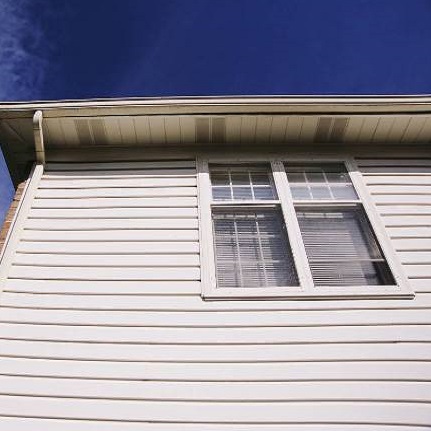
Explore the Pros and Cons of Aluminum Siding in Our Comprehensive Guide! Learn all about advantages and disadvantages of aluminum siding
When building a new home, choosing the right siding material is crucial. Among the options available, aluminum siding has garnered attention for its affordability and durability. Yet, like any choice, it comes with both pros and cons that impact its suitability for different projects. In this article, we explore the advantages of aluminum siding, such as its resistance to corrosion, alongside its disadvantages, including susceptibility to dents. Join us as we navigate the advantages and disadvantage of aluminum siding, empowering you to make an informed decision about your home’s exterior.
Advantages of Aluminum Siding
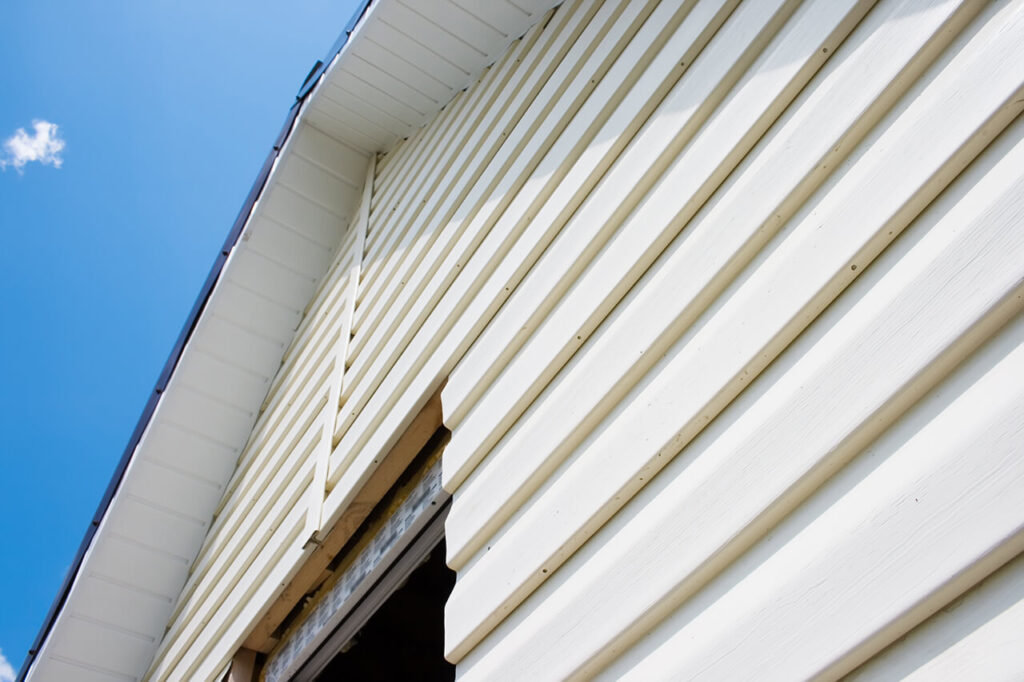
Exceptional Durability
One of the primary reasons many homeowners opt for aluminum siding is its outstanding durability. Unlike materials prone to rot or insect damage, aluminum does not corrode. This resistance ensures a longer lifespan for your home’s exterior, particularly in regions with harsh weather conditions. Its ability to withstand extreme temperatures, heavy rains, and hailstorms provides reliable protection for your home and maintains its structural integrity over time.
Low Maintenance Requirements
Aluminum siding is renowned for its low maintenance needs, making it a preferred choice for busy homeowners. Unlike wood or vinyl, which may require frequent painting or cleaning, aluminum maintains its appearance with minimal effort. A simple wash with a water and mild detergent can remove dirt and grime, ensuring your home looks fresh and well-maintained without the hassle of extensive upkeep. This low-maintenance feature not only saves time but also reduces long-term maintenance costs.
Excellent Resistance Against the Elements
Aluminum siding’s ability to resist the elements is a significant advantage. It can endure heavy rains, extreme temperatures, and even hailstorms, providing robust protection for your home. Its resistance to water penetration prevents mold and mildew growth, creating a healthier indoor environment. This characteristic is especially valuable for homes in areas prone to heavy rainfall or high humidity, ensuring the longevity of both the siding and the structure it shields.
Lightweight Nature
Aluminum siding’s lightweight properties offer practical benefits during installation. Significantly lighter than materials like brick or stone, aluminum is easier to handle and install. This characteristic simplifies the installation process, reducing labor costs and making it a cost-effective choice for homeowners operating within a budget. Its lightweight nature also means less stress on the house’s structure, minimizing wear and tear over time.
Design Versatility
One of the benefits of aluminum siding is its flexibility in design. Available in different colours and finishes, homeowners can select a style that harmonizes with their architectural tastes.
Whether you prefer a traditional, rustic appearance or a modern, sleek look, aluminum siding can be customized to match your vision for your home’s exterior. This versatility empowers homeowners to enhance their property’s aesthetic appeal while ensuring it seamlessly integrates with the overall design theme.
Eco-Friendly Choice
Aluminum siding is an eco-friendly option, aligning with sustainable living practices. It is fully recyclable, making it an environmentally responsible choice for conscientious homeowners. Recycling aluminum requires significantly less energy compared to producing new material, reducing the overall environmental impact. By choosing aluminum siding, homeowners contribute to the conservation of natural resources and support global efforts towards a greener future, making a positive impact on both their property and the environment.
Disadvantages of Aluminum Siding
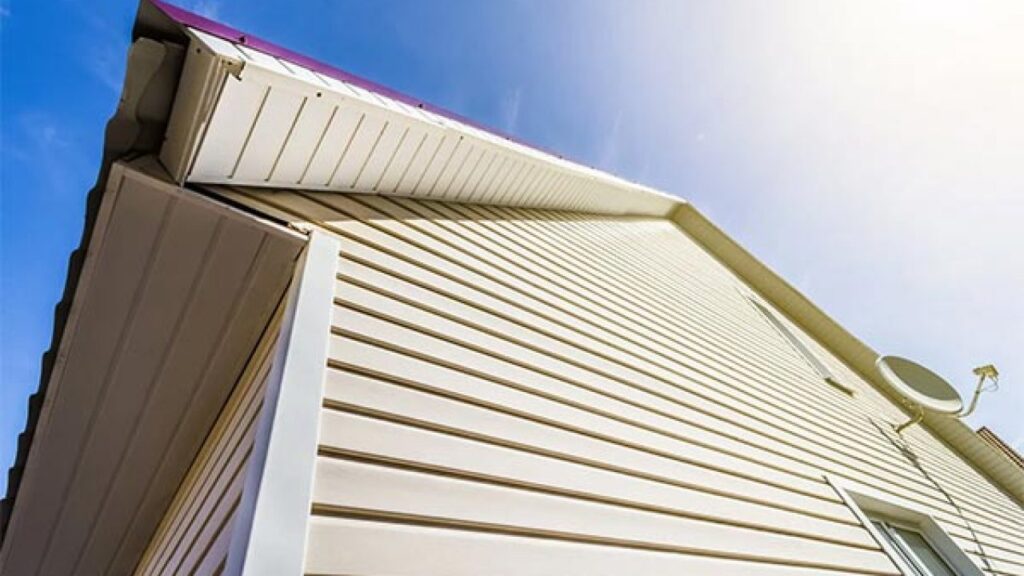
Susceptibility to Dents and Damage
One of the primary disadvantages of aluminum siding is its susceptibility to dents and damage. While aluminum is durable, it is not as impact-resistant as other materials like vinyl or fiber cement. Hailstorms, fallen branches, or even accidental impacts during routine activities can dent the siding, affecting its appearance and potentially leading to costly repairs or replacements.
Fading and Chalking Over Time
Aluminum siding, when exposed to prolonged sunlight and harsh weather conditions, can fade and chalk over time. The vibrant colors that once adorned your home may lose their luster, requiring homeowners to invest in repainting or refinishing the siding. This fading not only affects the aesthetic appeal but also necessitates periodic maintenance, increasing the long-term costs associated with aluminum siding.
Limited Insulation Properties
Compared to some other siding materials, aluminum has limited insulation properties. It does not provide the same level of thermal protection as insulated vinyl or fiber cement siding. This limitation can lead to increased energy costs as homes clad in aluminum may require more extensive heating or cooling efforts to maintain a comfortable indoor temperature. For homeowners seeking energy efficiency, the lack of insulation in aluminum siding could be a significant drawback.
Potential for Corrosion in Coastal Areas
While aluminum is generally resistant to corrosion, homes located in coastal areas face specific challenges. The salt in the air near the ocean can accelerate the corrosion process, potentially compromising the integrity of the siding over time. In such regions, homeowners must invest in high-quality, corrosion-resistant aluminum siding or consider alternative materials better suited to withstand the corrosive effects of the coastal environment.
Difficulty in Matching Colors for Repairs
If a section of aluminum siding becomes damaged and needs replacement, matching the color precisely can be challenging. Due to the natural fading of existing siding, finding an exact color match for repairs can be nearly impossible, leading to noticeable color discrepancies on the exterior of the home. This challenge can detract from the overall visual cohesion of the property, making repairs more conspicuous than desired.
Environmental Concerns Regarding Production
While aluminum is recyclable, its production process raises environmental concerns. The extraction and processing of aluminum require substantial energy, contributing to greenhouse gas emissions. Although the recyclability of aluminum lessens its long-term environmental impact, the initial production phase remains a consideration for environmentally conscious homeowners.
