

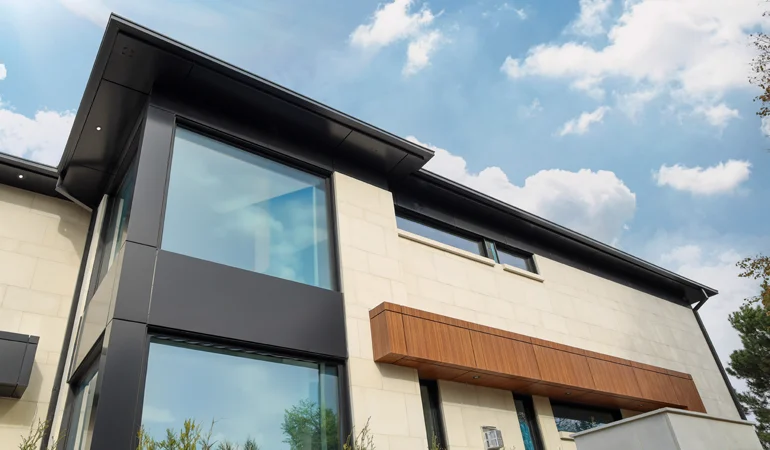
Aluminium cladding has become one of the most trusted exterior solutions for modern residential and commercial construction. Its sleek appearance, exceptional durability, and low-maintenance requirements make it a standout choice for homeowners, architects, and builders seeking long-term performance. However, like any exterior material exposed to Canada’s weather conditions, aluminium cladding benefits from proper care and routine maintenance. While it is often considered a “set-and-forget” material, taking the time to maintain it will help preserve its structural integrity, protect its finish, and extend its lifespan.
This guide explores the key principles of aluminium cladding care, the common issues you can prevent with regular upkeep, and the best long-term maintenance practices property owners should follow.
Why Aluminium Cladding Maintenance Matters
Although aluminium cladding is designed to withstand harsh weather, UV exposure, moisture and daily environmental stress can gradually affect its surface. Dirt, pollutants, tree sap, road salt, and organic matter can accumulate over time, causing the panels to lose their lustre. In some cases, neglecting maintenance can lead to staining, discolouration, or even corrosion if contaminants sit on the surface for too long.
Consistent upkeep provides several benefits, including:
- Extended lifespan of the cladding panels
- Protection of the finish and coating
- Improved curb appeal and property value
- Prevention of mildew, mould, or streaking
- Early detection of installation-related issues
For property owners who want their building envelope to remain visually appealing and structurally protected, establishing a maintenance routine is essential.
Routine Cleaning: The Foundation of Cladding Care
Basic cleaning is the most effective way to maintain aluminium cladding. A gentle wash removes the pollutants and residue that can build up on the surface, especially in areas exposed to heavy traffic or industrial pollution.
How Often Should You Clean?
The recommended cleaning schedule depends on your environment:
- Every 6 months: For properties in urban, industrial, or high-pollution zones
- Once a year: For rural or suburban environments
- Every 3 months: For coastal regions with salt exposure
Regular cleaning prevents contaminants from etching into the coating and helps maintain the smooth finish that aluminium cladding is known for.
Steps for Proper Cleaning
- Rinse the panels thoroughly with clean water to remove loose dirt and debris.
- Use a mild, pH-neutral detergent mixed with warm water.
- Apply using a soft cloth or sponge—avoid abrasive brushes that can scratch the surface.
- Gently scrub in horizontal strokes to prevent visible streaks.
- Rinse again with clean water to remove soap residue.
- Allow the surface to air-dry or use a microfibre cloth for polish.
When cleaning, avoid harsh chemicals, pressure washers on high settings, or steel wool, which can damage the finish.
Protecting the Finish: Coated vs. Anodised Aluminium
Aluminium cladding comes in different finishes, each with its own maintenance requirements. Understanding your cladding type helps ensure you’re caring for it correctly.
Painted or Powder-Coated Aluminium
This finish includes a protective topcoat designed to retain colour and resist fading. Over time, environmental pollutants can dull the coating, making cleaning important. You can also apply protective waxes designed for metal cladding to enhance shine and add a layer of shielding from dirt and moisture.
Anodised Aluminium
Anodised panels have a hardened outer layer that increases resistance to corrosion. However, this surface can still show water stains, grime and fingerprints, especially on dark finishes. Cleaning with a mild detergent is recommended, and a non-abrasive metal polish can help restore sheen.
Knowing your finish allows you to choose the right cleaning products and avoid accidental damage.
Preventing Corrosion and Oxidation
One of the advantages of aluminium is its natural ability to resist rust. However, prolonged exposure to contaminants such as salt, acidic pollutants, or metal particles can lead to oxidation or corrosion spots. These can usually be avoided with proper maintenance.
Tips to Reduce Corrosion Risk
- Keep metal tools and debris away from the cladding to avoid contact contamination.
- Clean salt residue regularly if you live near the coast.
- Avoid letting wet leaves or organic matter accumulate near the panels.
- Ensure gutters and downspouts are functioning properly to prevent water overflow.
If you notice early signs of oxidation, mild metal-safe cleaners, applied carefully, can often remove the issue before it spreads.
Inspecting for Damage or Loose Panels
Cleaning your cladding is an excellent opportunity to inspect the building exterior for problems that may require professional attention. Even though aluminium is strong and impact-resistant, extreme weather, falling branches, or installation issues can cause damage.
What to Look For
- Loose or rattling panels
- Small dents or scratches
- Separated joints or gaps
- Warping or buckling
- Water stains or moisture traces
- Sealant deterioration around edges
If you notice gaps or movement, contacting a cladding professional ensures the system remains watertight and structurally secure. Addressing issues early helps prevent larger and more costly repairs.
Maintaining the Sealants and Fasteners
A cladding system depends on secure fasteners and reliable sealants to keep water out and maintain structural stability. Over time, UV rays, temperature changes and moisture can degrade caulking or loosen screws.
Sealant Maintenance
Check perimeter joints, window trims and corner connections. Cracked or peeling sealant should be removed and replaced with a compatible exterior-grade caulk. This helps maintain energy efficiency and prevents moisture intrusion.
Fastener Maintenance
Look for any loose or rusty screws. While aluminium itself does not rust, steel fasteners may show deterioration. Replacing damaged fasteners with corrosion-resistant alternatives helps preserve the integrity of the entire cladding system.
Avoiding Damage from Landscaping and Surroundings
Trees, bushes and vines growing too close to your cladding can scratch, stain or trap moisture. To protect your exterior:
- Keep shrubs trimmed away from the wall surface.
- Remove climbing vines before they attach to panels.
- Avoid installing sprinklers that spray water directly against the cladding.
- Keep soil, mulch and gravel from touching the bottom course of panels.
These small adjustments help maintain both aesthetics and performance.
Long-Term Care: Protecting Your Investment
Aluminium cladding offers decades of durability, but long-term care is key to maximising its lifespan.
To maintain the best results:
- Establish a predictable maintenance schedule.
- Use only gentle, non-abrasive cleaners.
- Inspect for damage at least once a year.
- Protect the finish with appropriate products.
- Hire a professional when repairs are needed.
Proactive care not only keeps the system performing at its best but also enhances the overall appearance and value of your property.
When to Call a Professional
Some maintenance tasks are simple for homeowners or building managers to perform. However, professional help is recommended when:
- Panels are damaged or dented
- Moisture infiltration is suspected
- Fasteners or trims appear compromised
- There are signs of structural issues
- You want a full exterior inspection
A trained cladding specialist can diagnose issues accurately and provide long-lasting solutions, ensuring your exterior envelope continues to perform as designed.
Keep Your Aluminium Cladding Looking Its Best
Aluminium cladding is built for durability, style and long-term performance, but proper maintenance ensures it remains in peak condition for decades. By cleaning regularly, protecting the finish, inspecting for damage and addressing issues early, property owners can enjoy the full benefits of this outstanding exterior material. With thoughtful care, aluminium cladding will continue to protect your home or building while providing a sleek modern appearance that stands the test of time.
If you need expert guidance or professional cladding support, call BuildSky today — our team is ready to help with your next exterior project.
