

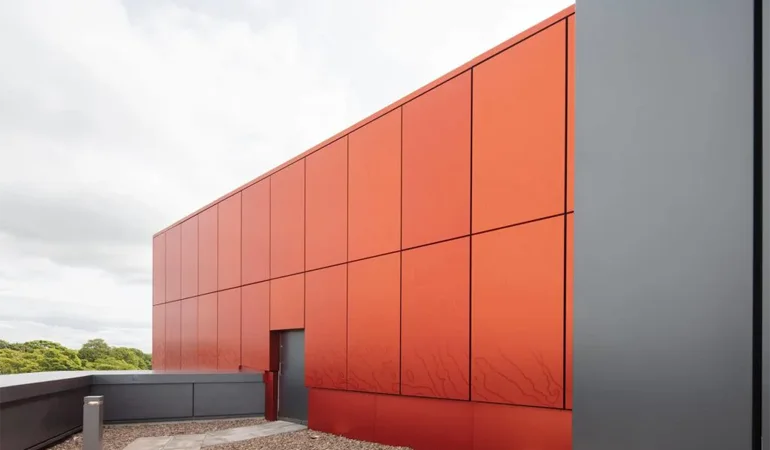
Commercial cladding plays a crucial role in both the performance and appearance of a building. It acts as a protective outer layer that shields the structure from environmental elements such as rain, wind, UV exposure, and temperature fluctuations. At the same time, cladding significantly enhances the visual appeal of a property, making it an essential consideration for businesses aiming to create a strong first impression.
For property owners, developers, and architects, selecting the right cladding material is not just about aesthetics—it’s also about durability, maintenance, energy efficiency, and long-term value. Understanding the different types of commercial cladding available can help you make informed decisions that align with your project goals and budget.
Why Cladding Matters in Commercial Construction
Cladding is more than just a finishing touch. It provides multiple functional benefits that contribute to the overall performance of a building:
- Protects the structure from harsh weather conditions
- Improves thermal insulation and energy efficiency
- Enhances fire resistance when using appropriate materials
- Reduces noise transmission in busy urban environments
- Elevates the building’s exterior design and brand image
Choosing high-quality cladding ensures that your commercial property remains structurally sound while maintaining a professional and modern appearance.
Popular Types of Commercial Cladding Materials
There are various cladding materials available, each offering unique advantages depending on the project requirements.
Metal Cladding
Metal cladding is widely used in commercial construction due to its strength, versatility, and sleek appearance. Common materials include aluminium, steel, and zinc.
- Highly durable and resistant to weather damage
- Low maintenance compared to other materials
- Fire-resistant and non-combustible
- Modern and industrial aesthetic
Metal cladding is often used for office buildings, warehouses, and retail centres where durability and contemporary design are priorities.
Aluminium Composite Panels (ACP)
Aluminium composite panels are a popular choice for modern commercial facades. These panels consist of two aluminium sheets bonded to a core material.
- Lightweight yet strong
- Available in a wide range of colours and finishes
- Easy to install and fabricate
- Excellent for signage and branding integration
ACP is commonly used in shopping centres, corporate buildings, and commercial storefronts.
Fibre Cement Cladding
Fibre cement is a composite material made from cement, sand, and cellulose fibres. It is known for its durability and versatility.
- Resistant to moisture, rot, and pests
- Fire-resistant and non-combustible
- Can mimic wood, stone, or other textures
- Long lifespan with minimal maintenance
This material is ideal for projects that require both durability and design flexibility.
Timber Cladding
Timber cladding offers a natural and warm appearance, making it a popular option for businesses seeking a more organic look.
- Eco-friendly when sourced sustainably
- Unique grain patterns and textures
- Provides good insulation properties
- Can be stained or painted for customization
However, timber requires regular maintenance to prevent weathering and decay, especially in harsh climates.
Stone Cladding
Stone cladding delivers a premium, timeless aesthetic that conveys durability and strength.
- Extremely durable and long-lasting
- Resistant to weather and environmental damage
- Adds a luxurious and high-end appearance
- Minimal maintenance required
Stone is often used in commercial buildings that aim to project prestige and permanence, such as hotels and institutional structures.
Brick Cladding
Brick remains a classic choice for commercial properties, offering both durability and a traditional look.
- Excellent thermal mass for energy efficiency
- Fire-resistant and low maintenance
- Long lifespan with minimal upkeep
- Timeless aesthetic appeal
Brick cladding is commonly seen in office buildings, schools, and mixed-use developments.
Glass Cladding
Glass cladding is widely used in modern architecture to create sleek, transparent facades.
- Allows natural light to penetrate interiors
- Enhances modern and high-end aesthetics
- Can be combined with energy-efficient glazing systems
- Improves occupant comfort and productivity
Glass is often used in office towers, commercial complexes, and corporate headquarters.
Key Factors to Consider When Choosing Cladding
Selecting the right cladding material involves evaluating several important factors:
Climate and Environmental Conditions
The local climate plays a significant role in determining the best cladding material. For example:
- Areas with heavy rainfall require moisture-resistant materials
- Extreme temperature fluctuations demand materials with good thermal performance
- Coastal environments require corrosion-resistant options
Budget and Cost Efficiency
While some materials have higher upfront costs, they may offer better long-term value through reduced maintenance and increased durability. Balancing initial investment with lifecycle costs is essential.
Maintenance Requirements
Different materials require varying levels of maintenance. For example:
- Metal and fibre cement require minimal upkeep
- Timber needs regular sealing or painting
- Glass requires frequent cleaning to maintain its appearance
Choosing a material that aligns with your maintenance capabilities can save time and costs in the long run.
Aesthetic and Branding Goals
The exterior of a commercial building often reflects a company’s identity. Cladding materials should complement your brand image and architectural vision.
Sustainability and Energy Efficiency
With increasing emphasis on sustainable construction, many developers are opting for eco-friendly cladding solutions.
- Materials with high insulation properties reduce energy consumption
- Recyclable materials support environmental goals
- Green building certifications may require specific cladding standards
Benefits of Investing in High-Quality Cladding
Choosing premium cladding materials can significantly enhance the overall value of your commercial property.
Improved Energy Efficiency
High-performance cladding systems help regulate indoor temperatures, reducing reliance on heating and cooling systems.
Enhanced Durability
Quality cladding protects the building from wear and tear, extending its lifespan and minimizing repair costs.
Increased Property Value
A well-designed exterior can boost the market value of a property and attract tenants or customers.
Better Acoustic Performance
Cladding can reduce external noise, creating a more comfortable indoor environment.
Stronger Visual Impact
Modern and well-maintained cladding enhances curb appeal, helping businesses stand out in competitive markets.
Applications of Commercial Cladding
Cladding is used across a wide range of commercial projects, including:
- Office buildings and corporate headquarters
- Retail stores and shopping centres
- Industrial facilities and warehouses
- Hospitality properties such as hotels and restaurants
- Educational and healthcare institutions
Each application may require a different combination of materials based on functionality and design requirements.
Partner with BuildSky for Expert Cladding Solutions
At BuildSky, we understand that choosing the right cladding system is essential for the success of your commercial project. Our team works closely with clients to recommend materials that align with their vision, budget, and performance expectations.
Whether you’re constructing a new commercial building or upgrading an existing facade, BuildSky delivers tailored solutions that combine durability, efficiency, and modern design. From consultation to installation, we ensure every detail is handled with precision and professionalism.
Contact BuildSky today to discuss your commercial cladding needs and take the first step toward a stronger, more visually striking building exterior.
