

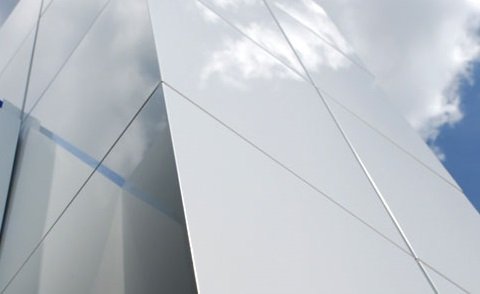
In the ever-evolving realm of modern architecture and construction, building materials are pivotal in shaping structures’ aesthetics, durability, and functionality. Aluminum Composite Material (ACM) panels have emerged as a game-changer among the myriad options available. With their remarkable versatility, ACM panels have become the preferred choice for architects, designers, and builders seeking to marry form with function in their creations. In this article, we delve into the myriad advantages that ACM panels bring to the table.
From their stunning visual appeal to their exceptional durability and sustainability, we explore how ACM panels have redefined architectural possibilities, opening up a world of innovative design while enhancing the performance and longevity of structures. Join us on a journey through the compelling advantages of ACM panels and discover why they have become an indispensable tool in the toolkit of contemporary architecture.
Visual Appeal and Design Versatility

This versatility arises from their unique composition and features, making them a preferred choice for architects and designers seeking to push the boundaries of creativity in their projects. Here’s an in-depth exploration of how ACM panels open up an array of design possibilities:
- Material Composition: ACM panels typically comprise two layers of aluminum sheets bonded to a solid polyethylene (plastic) core. This composition provides the panels with remarkable structural integrity while remaining lightweight. This blend of strength and lightness is fundamental to their design flexibility.
- Customizable Finishes: ACM panels come in diverse finishes and colours, allowing architects to achieve the desired aesthetic for their projects. These finishes can mimic various materials, including wood, stone, metal, or even bold, contemporary designs. Customizing the surface appearance enables architects to match the building’s style and surrounding environment.
- Shapes and Sizes: ACM panels can be easily cut and shaped to fit specific architectural designs. This adaptability is especially useful when creating unique and unconventional building forms. Whether designing a curvilinear structure or experimenting with geometric shapes, ACM panels can be fabricated to accommodate the vision.
- Large Panels for Seamless Facades: ACM panels are available in large sizes, which minimizes the number of joints required for installation. This feature contributes to creating seamless and visually appealing facades, enhancing the overall aesthetics of the building.
- Texture and Depth: The design possibilities with ACM panels extend beyond colour and finish. They can be embossed, textured, or perforated to add depth and tactile appeal to a building’s exterior. These textures can create visual interest and add dimension to flat surfaces.
- Layering and Integration: ACM panels can be integrated with other building materials, such as glass, steel, or concrete, to create dynamic architectural compositions. This layering effect allows for innovative designs, including striking juxtapositions of materials and the interplay of light and shadow.
- Graphics and Branding: ACM panels are an excellent canvas for branding, signage, and graphic elements. Businesses and institutions often use them to display logos, artwork, or information, offering another layer of design flexibility and branding potential.
- Environmental Integration: ACM panels can be seamlessly incorporated into sustainable building designs. They can accommodate features like solar panels or rain-screen systems, enhancing energy efficiency and aesthetics.
Here’s a closer look at how ACM panels contribute to the visual appeal of buildings and enhance architectural aesthetics:
- Sleek and Modern Appearance: ACM panels exude a sleek, contemporary aesthetic that complements modern architectural styles perfectly. Their smooth and clean lines, often coupled with a metallic or matte finish, create a sophisticated and minimalist look that resonates with the aesthetics of today’s architecture.
- Versatile Finishes: ACM panels offer an extensive range of customizable finishes. Whether architects aim for a timeless, natural appearance mimicking wood or stone or prefer bold, avant-garde designs, ACM panels can be tailored to achieve the desired aesthetic effect. This versatility allows architects to harmonize the building’s exterior with its intended style, from traditional to futuristic.
- Colour Options: Beyond finishes, ACM panels come in various colours, enabling architects to harmonize or contrast with surrounding structures and the environment. The ability to choose from an extensive colour palette adds depth and character to architectural designs.
- Seamless Facades: ACM panels can be installed in large, seamless sections, eliminating the need for visible joints. This seamless integration enhances the visual continuity of the façade and contributes to a more refined and visually appealing appearance.
- Customizable Textures: Architects can add texture to ACM panels through embossing or other techniques. This customization allows for tactile interest in building surfaces, breaking away from flat and monotonous facades.
- Architectural Details: ACM panels can be cut, shaped, and layered to create intricate architectural details and decorative elements. These details can transform a building into a work of art, showcasing the potential for creativity and individuality.
- Reflective Qualities: Some ACM panel finishes possess reflective properties, allowing them to interact dynamically with natural light. This play of light and shadow across the panels can create captivating visual effects throughout the day, enhancing the building’s aesthetic appeal.
Durability and Longevity: One of the Most Important Advantages of ACM Panels
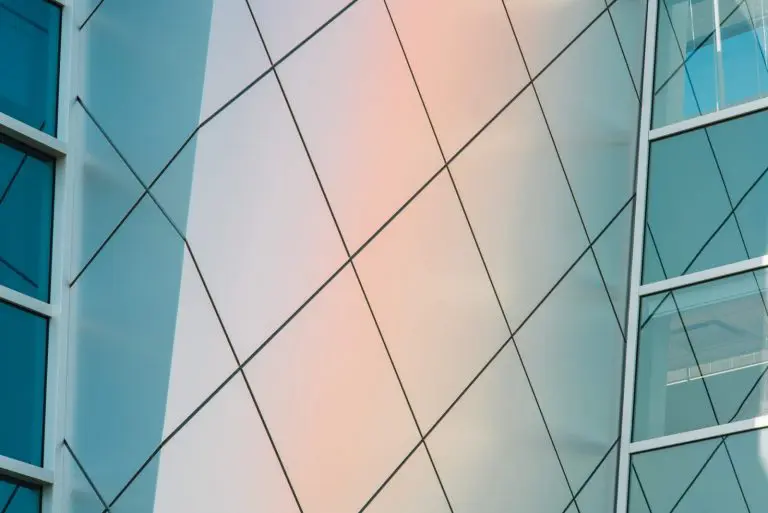
ACM panels withstand a wide range of environmental conditions. These qualities make them a valuable choice in construction, contributing significantly to the long-term sustainability of structures. Here’s a closer look at how ACM panels excel in terms of durability and sustainability:
Durability:
- Weather Resistance: ACM panels are highly resilient in adverse weather conditions. They can endure extreme temperatures, including both cold and scorching heat, without warping or deteriorating. Their resistance to UV radiation ensures they maintain their appearance and structural integrity over time.
- Moisture Resistance: Unlike some building materials vulnerable to moisture damage, ACM panels are non-porous and resist moisture absorption. This makes them impervious to rot, mould, and corrosion, ensuring they remain structurally sound in wet or humid environments.
- Impact Resistance: ACM panels are engineered to be exceptionally sturdy and impact-resistant. They can withstand minor impacts, such as hail or debris, without denting or cracking. This quality reduces the need for frequent repairs and replacements, ultimately contributing to cost savings.
- Chemical Resistance: ACM panels resist chemicals and pollutants in urban environments. This resistance ensures that the panels do not deteriorate or discolour when exposed to industrial pollutants or cleaning agents.
- Fire Resistance: Many ACM panels are manufactured with fire-resistant cores, enhancing their safety in the event of a fire. While they may not be completely fireproof, they significantly delay the spread of flames, providing crucial time for evacuation and firefighting efforts.
Sustainability:
- Longevity: The durability of ACM panels directly contributes to the longevity of structures. Buildings clad with ACM panels require fewer renovations and replacements over the years, reducing the environmental impact of material production, transportation, and disposal.
- Energy Efficiency: ACM panels can be integrated into energy-efficient building designs. Their insulating properties help regulate indoor temperatures, reducing the need for excessive heating or cooling. This, in turn, conserves energy and lowers carbon emissions.
- Recyclability: ACM panels are often recyclable. At the end of their service life, they can be disassembled and recycled, minimizing waste and reducing the demand for new raw materials.
- Lightweight Construction: ACM panels are lightweight compared to some traditional building materials. This minimizes the structural burden on buildings and their foundations, which could result in construction cost reductions and a diminished environmental impact linked to the building’s creation.
- Low Maintenance: ACM panels require minimal maintenance over their lifespan, reducing the need for cleaning and repairs. This saves resources and minimizes the use of chemicals and cleaning agents, promoting environmental sustainability.
- Adaptability to Sustainable Technologies: ACM panels can be adapted to accommodate sustainable technologies such as solar panels and rain-screen systems, enhancing a building’s overall environmental performance.
Cost-Efficiency and Maintenance

ACM panels (Aluminum Composite Material panels) offer substantial cost-saving advantages during installation and maintenance compared to many other traditional building materials. These cost efficiencies are a key reason why ACM panels have become popular in the construction industry. Here’s an exploration of how ACM panels can help save costs and why they are easier to maintain compared to other materials:
Cost Savings During Installation:
- Lightweight Construction: ACM panels are notably lightweight compared to concrete, stone, or brick materials. This characteristic reduces the structural requirements for the building’s framework and foundation. With lighter loads, construction costs can be lower due to reduced materials and labour.
- Ease of Installation: ACM panels are engineered for straightforward and efficient installation. Their standardized dimensions and design versatility make it easier for contractors to work with them. Faster installation translates to reduced labour costs and shorter construction timelines.
- Reduced Transportation Costs: Due to their lightweight nature, ACM panels are more cost-effective to transport to construction sites compared to heavier materials. Lower transportation costs can have a significant impact, especially for large-scale projects.
- Versatility in Design: ACM panels can be easily customized, allowing architects and designers to create complex shapes and designs without significantly increasing installation complexity or costs. This design flexibility often leads to unique and eye-catching architectural features without the added expense of custom fabrication.
Cost Savings During Maintenance:
- Low Maintenance Requirements: ACM panels are relatively low-maintenance compared to materials like wood or stucco. Regular painting, staining, or sealing is unnecessary for them. Routine maintenance typically involves simple cleaning with water and mild detergents, reducing the need for specialized maintenance crews or materials.
- Durability and Longevity: ACM panels are highly durable and resistant to weather, moisture, and UV radiation. Their resistance to wear and tear means they retain their appearance and structural integrity for an extended period. This durability reduces the frequency of repairs and replacements, resulting in long-term cost savings.
- Minimal Repairs: ACM panels are often easy and cost-effective to repair in case of minor damage, such as scratches or dents. Individual damaged panels can be replaced without extensive renovations, minimizing repair costs.
- Reduced Cleaning Costs: The smooth surface of ACM panels is less prone to accumulating dirt, mould, or stains than other materials. This reduces the frequency and effort required for cleaning, ultimately lowering maintenance costs.
- Resistant to Rot and Corrosion: ACM panels do not rot or corrode, eliminating the need for treatments or coatings to prevent degradation. This saves both time and money over the life of the building.
Environmental Benefits and Sustainability

ACM panels (Aluminum Composite Material panels) are recognized for their eco-friendly attributes, making them a sustainable choice in modern construction. Their eco-friendliness is rooted in recyclability and energy efficiency, which contribute to sustainable building practices. Here’s a detailed exploration of these aspects and how ACM panels promote environmental responsibility:
Recyclability:
- Aluminum Recycling: One of the primary eco-friendly features of ACM panels is the aluminum content. Aluminum is highly recyclable without losing its quality, making it a sustainable choice. At the end of their service life, ACM panels can be recycled, reducing the demand for virgin aluminum and the associated energy-intensive extraction and processing.
- Recycling Process: ACM panels can be efficiently recycled by separating the aluminum sheets from the polyethylene core. The separated aluminum sheets can be reused to manufacture new panels or other aluminum-based products. This closed-loop recycling process minimizes waste and conserves resources.
Energy Efficiency:
- Insulating Properties: ACM panels can be integrated into energy-efficient building designs. Their insulating properties help regulate indoor temperatures, reducing the need for excessive heating or cooling. This energy efficiency contributes to lower energy consumption and reduces greenhouse gas emissions.
- Lightweight Construction: ACM panels are lightweight compared to many traditional building materials. This attribute reduces the structural load on buildings and foundations, leading to energy savings during construction and throughout the building’s operational life.
Sustainable Building Practices:
- LEED and Green Building Certification: ACM panels are often used in sustainable building projects seeking LEED or other green building certifications. Their recyclability, energy efficiency, and minimal environmental impact contribute to achieving the sustainability goals outlined in these certifications.
- Reduced Environmental Footprint: ACM panels are produced using efficient manufacturing processes with minimal waste. Compared to alternative building materials like concrete or steel, they use fewer raw materials and less energy. This reduced environmental footprint aligns with sustainable construction practices that prioritize resource conservation.
- Adaptability to Sustainable Technologies: ACM panels can be adapted to accommodate sustainable technologies such as solar panels or rain-screen systems. Their versatility allows architects and builders to integrate these eco-friendly features seamlessly into the building’s design, further enhancing its sustainability.
- Longevity and Low Maintenance: The durability of ACM panels means that buildings clad with them require fewer renovations and replacements over time. This reduces the need for additional resources and materials associated with construction and renovation projects, aligning with sustainability principles.
- Environmental Certifications: Some ACM panel manufacturers adhere to environmental certification standards, such as ISO 14001, which signifies a commitment to minimizing their environmental impact during production and throughout the product’s lifecycle.
Fire Resistance and Safety

ACM panels (Aluminum Composite Material panels) are well-regarded for their fire-resistant properties, which are crucial for building safety. These characteristics play a crucial role in inhibiting the swift propagation of fires within and between structures. Here’s an explanation of the fire-resistant qualities of ACM panels and their importance in building safety, along with some notable examples and case studies that highlight their safety benefits:
Fire-Resistant Properties:
- Fire-Resistant Core: Many ACM panels feature a fire-resistant core, typically made of non-combustible materials. This core is essential for slowing down the spread of flames in a fire.
- Low Flame Spread: ACM panels have low flame spread characteristics, meaning they resist the propagation of flames along their surface. This property prevents fires from rapidly engulfing a building’s exterior.
- Limited Smoke Production: In addition to resisting flames, ACM panels also tend to produce limited smoke when exposed to fire. This is crucial for occupant safety, as smoke inhalation is a significant cause of harm during fires.
- Thermal Insulation: ACM panels provide some degree of thermal insulation, which helps protect the structural integrity of the building’s framework during a fire. This insulation delays the potential collapse of the building.
Importance in Building Safety:
- Preventing Fire Spread: The fire-resistant properties of ACM panels help contain fires within localized areas, preventing them from rapidly spreading across the building’s exterior. This containment reduces the risk of the fire reaching other parts of the structure.
- Protecting Occupants: Slowing down the spread of flames and limiting smoke production is critical for the safety of building occupants. It allows more time for evacuation and firefighting efforts, increasing the chances of survival.
- Reducing Property Damage: ACM panels can help limit fire damage to the building, which can be instrumental in minimizing repair and reconstruction costs. This is especially important for businesses and property owners concerned about property insurance.
- Compliance with Building Codes: Many building codes and regulations require fire-resistant materials in specific applications, especially high-rise and commercial buildings. ACM panels with fire-resistant cores help facilities meet these regulatory requirements.
Examples and Case Studies:
- Grenfell Tower Fire, London (2017): The tragic Grenfell Tower fire in London highlighted the importance of fire-resistant building materials. In the aftermath of the fire, cladding materials were scrutinized, and ACM panels with inadequate fire resistance were identified as a contributing factor. This event led to stricter regulations and a renewed focus on fire safety in construction.
- Dubai Torch Tower Fires (2015 and 2017): The Torch Tower in Dubai experienced two significant fires in 2015 and 2017. The building’s exterior cladding, including ACM panels, was replaced with fire-resistant materials to enhance safety measures and prevent future incidents.
- Nehemiah Gateway, London (Ongoing Retrofit): The Nehemiah Gateway project in London is an example of retrofitting ACM panels with fire-resistant materials. The retrofit is part of a comprehensive effort to improve fire safety and comply with updated building regulations.
Installation and Maintenance Considerations

To ensure the longest possible lifespan and optimal performance of ACM panels (Aluminum Composite Material panels), it is imperative to carry out correct installation and perform regular maintenance.
Here are some tips and guidelines for both installation and maintenance:
Installation Guidelines:
- Professional Installation: Hiring experienced and qualified professionals to install ACM panels is crucial. Proper installation ensures that panels are securely fastened and aligned correctly and that all safety measures are followed.
- Adhere to Manufacturer’s Recommendations: Follow the manufacturer’s installation guidelines and recommendations. These guidelines may include specific instructions for panel fastening, spacing, and joint sealing.
- Use Quality Materials: Ensure you use high-quality installation materials, including fasteners, sealants, and adhesives. Using subpar materials can lead to premature panel failure or damage.
- Proper Substrate Preparation: The substrate (building surface) should be adequately prepared before installing ACM panels. It should be clean, dry, and free of debris, rust, or contaminants. This ensures proper adhesion and prevents moisture infiltration.
- Panel Handling: Handle ACM panels carefully to avoid scratches or dents during installation. Use lifting and handling equipment to prevent damage when dealing with larger panels.
- Weather Considerations: ACM panel installation is typically done in dry weather conditions. Avoid installation during extreme temperature fluctuations, affecting panel expansion and contraction.
- Expansion Joints: ACM panels can expand and contract with temperature changes. Properly design and install expansion joints to accommodate these movements and prevent panel buckling or deformation.
- Sealing and Flashing: Pay special attention to sealing joints, seams, and panel penetrations with high-quality sealants. Proper flashing around openings and transitions is essential to prevent water infiltration.
- Regular Inspections: Inspect the installation periodically, especially after extreme weather events, to identify potential issues or damage. Timely repairs can prevent more significant problems down the road.
Maintenance Insights:
- Routine Cleaning: Clean ACM panels regularly using a mild detergent and water solution. Avoid abrasive or harsh chemicals, which can damage the panel’s finish. Rinse thoroughly and use a soft cloth or sponge for cleaning.
- Stain Removal: Address stains promptly. For stubborn stains, consult the manufacturer’s recommendations for specific cleaning products. Always test a small, inconspicuous area first to ensure compatibility.
- Check Sealant Joints: Inspect sealant joints and caulking regularly. Reapply sealant as needed to maintain a watertight seal. Damaged or deteriorated sealant should be replaced promptly.
- Visual Inspections: Regularly examine the ACM panels for indications of harm, such as scratches, dents, or corrosion, and promptly attend to any problems to mitigate further deterioration.
- Gutter and Drainage Maintenance: Verify that gutters and downspouts remain free of debris and are operating effectively. Proper drainage prevents water from accumulating around the panels, reducing the risk of water-related damage.
- Prevent Vegetation Growth: If the building’s exterior is susceptible to algae or moss growth, prevent it. Regularly remove any vegetation to maintain the panels’ appearance.
- Painted Panels: If your ACM panels have a painted finish, follow the manufacturer’s recommendations for repainting or touch-ups as needed to maintain the appearance.
- Professional Inspection: Periodically, consider having a professional inspection to assess the condition of the ACM panels and their installation. They can identify any issues that may require attention.
Future Trends and Innovations
ACM panels will continue to be a staple in sustainable construction practices. Manufacturers are expected to focus on enhancing the eco-friendliness of ACM panels, making them even more energy-efficient, recyclable, and environmentally responsible.
Innovations in surface finishes and textures will expand design possibilities. Expect to see ACM panels that mimic natural materials with unprecedented realism, offering architects more choices for achieving unique aesthetics.
ACM panels will become increasingly integrated with smart building technologies. This could include incorporating sensors for environmental monitoring, adaptive shading systems, and energy-efficient lighting solutions directly into the panels.
Research and development efforts will focus on improving fire resistance even further. This may involve developing new core materials or enhancing existing ones to meet the most stringent fire safety standards.
Ongoing research in nanotechnology may lead to ACM panels with self-cleaning surfaces. These panels could repel dirt, pollutants, and organic matter, reducing maintenance needs and keeping buildings looking pristine.
ACM panel manufacturers will work on enhancing durability and longevity, making ACM panels an even more reliable and long-lasting cladding option. This may include improvements in coatings, adhesives, and panel construction.
Research into ACM panels’ acoustic properties will continue, with the development of panels designed to improve sound insulation and create more acoustically comfortable building interiors.
Architects will increasingly push the boundaries of ACM panel design, incorporating them into more avant-garde and innovative building structures. Expect to see more unconventional shapes, patterns, and applications.
ACM panels will be crucial in achieving sustainable building certifications like LEED or BREEAM. They will seamlessly integrate into green building designs, supporting energy efficiency and resource conservation.
As building codes and regulations evolve to address safety and environmental concerns, ACM panels will continue to adapt to meet these requirements, ensuring they remain compliant with changing standards.
